

1388xx888xx
1388xx888xx@gmail.com

2025-12-03 04:01:10
В современном строительстве успех проекта часто зависит от качества подготовки основания. Мощные виброуплотнители играют ключевую роль в этом процессе, обеспечивая высокую плотность грунта, что повышает долговечность и устойчивость конструкций. В этой статье мы подробно рассмотрим, как выбрать и использовать виброуплотнители для ваших нужд, поделимся практическими советами и представим обзор лучших моделей на рынке.
Виброуплотнители — это специализированное оборудование, используемое для уплотнения различных материалов, таких как грунт, асфальт или щебень, с помощью вибрации. Они применяются в дорожном строительстве, фундаментных работах, ландшафтном дизайне и других областях, где требуется создать прочное и ровное основание. Основная цель — увеличить плотность материала, уменьшить пористость и предотвратить последующую осадку, что критически важно для безопасности и долговечности сооружений.
История виброуплотнителей началась в середине XX века с развитием механизации строительства. Первые модели были простыми и маломощными, но с технологическим прогрессом они эволюционировали в высокоэффективные машины, способные работать в самых сложных условиях. Сегодня виброуплотнители интегрированы в строительные процессы по всему миру, от небольших частных проектов до масштабных инфраструктурных объектов, таких как аэропорты и автомагистрали.
Преимущества использования виброуплотнителей многочисленны. Они значительно ускоряют процесс уплотнения по сравнению с ручными методами, экономя время и трудозатраты. Кроме того, они обеспечивают более равномерное и контролируемое уплотнение, что снижает риск дефектов и повышает качество работ. Экономически это выгодно, так как сокращает необходимость в повторных работах и уменьшает общие расходы на проект. Например, при строительстве дороги правильное уплотнение основания может продлить срок службы покрытия на 20-30%, что напрямую влияет на бюджет и эксплуатационные затраты.
Однако важно понимать, что не все виброуплотнители одинаковы. Их эффективность зависит от типа, мощности и условий применения. В следующих разделах мы углубимся в детали, чтобы помочь вам сделать informed choice для вашего проекта.
Рынок предлагает широкий спектр виброуплотнителей, каждый из которых предназначен для specific tasks. Основные типы включают виброплиты, вибротрамбовки, катки и комбинированные модели. Давайте разберем их подробнее.
Виброплиты — это компактные устройства, идеальные для уплотнения granular materials like sand or gravel in confined spaces. Они бывают разных размеров и весов, от легких моделей для садовых работ до тяжелых для промышленного применения. Key parameters to consider include vibration frequency (usually 50-100 Hz), amplitude, and engine power. For instance, a plate with a frequency of 70 Hz and amplitude of 2 mm is suitable for most soil types, but for cohesive soils, higher amplitude might be necessary.
Вибротрамбовки, также known as rammers, are designed for deeper compaction, especially in trenches or for cohesive soils. They use a percussive action combined with vibration, making them effective for materials like clay. Their weight typically ranges from 50 to 100 kg, and they can achieve compaction depths up to 500 mm. When selecting a rammer, pay attention to impact energy and fuel efficiency. Diesel models are common for heavy-duty work, while gasoline versions offer more mobility.
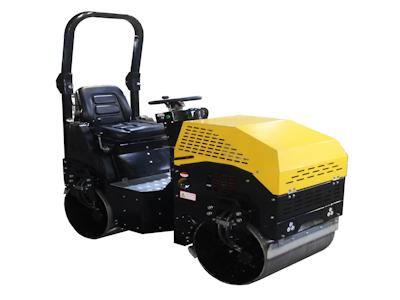
Виброкатки are larger machines used for大面积 уплотнения, such as in road construction or large foundations. They come in various configurations, including single-drum, double-drum, and pneumatic-tired rollers. These are equipped with advanced features like GPS and automatic grade control, allowing for precise compaction over vast areas. For example, a double-drum roller with a vibration system can cover up to 10,000 square meters per day, significantly boosting productivity.
Комбинированные модели combine features of plates and rammers, offering versatility for mixed projects. They are often used in urban construction where space is limited but different materials need compaction. When choosing, consider the specific requirements of your project: soil type, area size, accessibility, and budget. A general rule is to match the equipment to the material's gradation and moisture content. For sandy soils, a plate compactor works well, while for wet clay, a rammer is better. Always consult manufacturer specifications and, if possible, test the equipment on-site before purchase or rental.
In addition to type, other factors like power source (electric, gasoline, diesel), weight, and additional features (e.g., water systems for dust suppression) play a role. Electric models are eco-friendly and quiet, suitable for indoor use, but limited by cord length. Gasoline and diesel offer more power and autonomy but require fuel management. Weigh these aspects against your project's environmental and operational needs.
To illustrate, for a residential driveway project, a medium-sized vibratory plate compactor might be sufficient, costing around $1,000-$2,000. In contrast, for a highway construction, investing in a fleet of rollers could run into hundreds of thousands of dollars, but the ROI in terms of time savings and quality is substantial. Always factor in maintenance costs and availability of spare parts when making a decision.
Использование виброуплотнителей приносит множество benefits to construction projects, ranging from improved efficiency to enhanced safety. Let's explore these advantages in depth.
First and foremost, виброуплотнители significantly increase the speed of compaction work. Manual methods, such as using hand tampers, are labor-intensive and time-consuming. For example, compacting a 100 square meter area with a hand tamper might take a crew several days, whereas a vibratory plate can complete it in a few hours. This time savings translates directly into cost reductions, as labor hours are minimized, and projects can be completed faster, reducing overhead costs like site supervision and equipment rental durations.
Secondly, они обеспечивают superior quality of compaction. Vibration helps to rearrange particles in the material, reducing air voids and increasing density. This leads to a more stable foundation, which is crucial for preventing settlement and structural failures. In road construction, proper compaction can reduce the risk of potholes and cracks, extending the pavement's life by up to 50%. Studies show that a density increase of just 1% can improve load-bearing capacity by 10%, highlighting the importance of precise compaction.
Another key advantage is versatility. Виброуплотнители can handle a wide range of materials, from loose soil to asphalt, and are adaptable to various project scales. Whether you're working on a small garden path or a massive industrial floor, there's a model suited to the task. This flexibility allows contractors to use the same equipment across multiple projects, maximizing investment utilization.
Safety is also enhanced. Modern виброуплотнители come with features like anti-vibration handles, emergency stop buttons, and protective guards, reducing the risk of operator injury. Compared to manual methods, which can lead to musculoskeletal disorders from repetitive strain, machine operation is less physically demanding and safer. Additionally, efficient compaction reduces the likelihood of future accidents due to ground instability.
From an environmental perspective, виброуплотнители can be more sustainable. Electric models produce zero emissions on-site, and even diesel versions are becoming more efficient with lower fuel consumption and advanced emission controls. Proper compaction also minimizes material waste; for instance, in earthworks, it reduces the need for additional fill material, conserving natural resources.
Economically, the initial investment in виброуплотнители is often offset by long-term savings. Consider a case study: a construction company that switched from manual compaction to vibratory plates reported a 30% reduction in project time and a 20% decrease in material costs due to less rework. Over a year, this saved them over $50,000 in operational expenses. Rental options make this technology accessible even for small firms, with daily rates starting as low as $100 for basic models.
In summary, the benefits of виброуплотнители are clear: they boost productivity, improve quality, enhance safety, and offer economic and environmental advantages. By integrating this equipment into your workflow, you can elevate your construction projects to new levels of excellence.
To get the most out of your виброуплотнители, it's essential to follow best practices. Here are some practical tips based on industry experience.
Start with proper preparation of the site. Clear the area of debris, rocks, and other obstacles that could damage the equipment or affect compaction. Ensure the material to be compacted is at the optimal moisture content. Too dry, and it won't compact well; too wet, and it may become muddy and unstable. Use a moisture meter to check levels—for most soils, aim for a moisture content between 8-12% for best results.
When operating the виброуплотнитель, maintain a steady and overlapping pattern. Move the machine in slow, straight passes, overlapping each pass by about one-third to avoid missed spots. For vibratory plates, a speed of 10-20 meters per minute is typical. Avoid sudden changes in direction, as this can cause uneven compaction. If working on slopes, proceed from the bottom up to prevent material sliding.
Monitor compaction progress regularly. Use a核密度计 or sand cone test to measure density on-site. Aim for the specified density requirements of your project—usually expressed as a percentage of maximum dry density (e.g., 95% compaction for most foundations). If density is insufficient, make additional passes, but be cautious not to over-compact, which can lead to material breakdown.
Safety should always be a priority. Wear appropriate PPE: steel-toed boots, gloves, hearing protection, and safety glasses. Keep bystanders at a safe distance, and never operate the equipment on unstable ground. For electric models, ensure cords are secure and away from the compaction path to prevent tripping or damage.
Maintenance is key to longevity. After each use, clean the виброуплотнитель to remove dirt and debris. Check for worn parts, such as base plates or belts, and replace them as needed. Lubricate moving components according to the manufacturer's schedule. Store the equipment in a dry place to prevent rust and corrosion. Regular servicing by a professional can prevent breakdowns and extend the machine's life.
For specific scenarios, adjust your approach. In cold weather, materials may be harder to compact; consider using heated plates or working during warmer parts of the day. For asphalt compaction, timing is critical—compact while the material is still hot (above 100°C) to achieve optimal density. In confined spaces, use smaller models and plan your moves carefully to avoid collisions.
Training operators is crucial. Ensure they understand the equipment's functions and limitations. Many manufacturers offer training programs or online resources. A well-trained operator can increase efficiency by up to 25% and reduce the risk of errors.
By following these tips, you can maximize the effectiveness of your виброуплотнители, ensuring high-quality results and efficient project completion. Remember, every project is unique, so adapt these guidelines to your specific needs and conditions.
Integrating виброуплотнители into your construction workflow requires careful planning and coordination. Here's a step-by-step guide to seamless integration.
First, assess your project requirements. Determine the scope of compaction needed: area size, material types, and desired density. This will help you select the right type and number of виброуплотнители. For large projects, consider creating a compaction plan that outlines phases, equipment allocation, and timelines. Involve your team in this planning stage to ensure buy-in and clarity.
Next, procure the equipment. Decide whether to purchase or rent based on frequency of use and budget. Purchasing is cost-effective for long-term use, while renting offers flexibility for short-term projects. Work with reputable suppliers who provide reliable machines and good after-sales support. Schedule delivery to align with your project timeline to avoid delays.
On-site, set up a dedicated area for equipment storage and maintenance. Ensure easy access to fuel or power sources. Train your crew on operation and safety procedures—conduct a brief session before starting work. Assign specific roles, such as operator and spotter, to enhance efficiency and safety.
During execution, integrate compaction into the overall construction sequence. For example, in earthwork projects, compact each layer as it is placed rather than waiting until the end. This prevents re-handling and ensures consistent quality. Use technology like GPS-equipped rollers for automated compaction monitoring, which can provide real-time data on density and coverage, reducing the need for manual checks.
Monitor progress and adjust as needed. Hold regular meetings to discuss challenges and improvements. For instance, if compaction is taking longer than expected, analyze why—perhaps the material moisture is off, or the equipment needs adjustment. Keep records of compaction results for quality assurance and future reference.
Post-project, evaluate the integration's effectiveness. Calculate metrics like time saved, cost reductions, and quality improvements. Share these insights with your team to foster continuous improvement. Consider investing in advanced models or accessories for future projects based on lessons learned.
By systematically integrating виброуплотнители, you can streamline your workflow, reduce costs, and deliver higher-quality results. This proactive approach sets the foundation for successful project management and client satisfaction.
The market for виброуплотнители is competitive, with several key players offering innovative models. Here's an overview of top manufacturers and their standout products.
Wacker Neuson is a German company renowned for high-quality compaction equipment. Their models, like the WP 1550w vibratory plate, are praised for durability and performance. It features a 5.5 HP engine, 65 Hz frequency, and a compaction force of 15 kN, making it ideal for medium-duty applications. Prices range from $2,000 to $3,000, and it's widely available through global distributors.
Bomag, another industry leader, offers a range of rollers and plates. The BMP 8500 variable amplitude plate is popular for its adaptability to different soil conditions. With a 8.5 HP engine and amplitudes adjustable from 0.5 to 2.0 mm, it suits everything from sand to clay. Costing around $4,000, it's a premium choice for professionals seeking versatility.
Atlas Copco specializes in robust equipment, such as the LG 600 rammer. This model delivers high impact energy for deep compaction, with a 6 HP engine and 650 blows per minute. Priced at approximately $1,500, it's cost-effective for trench work and cohesive soils.
For budget-conscious buyers, brands like Mikasa and Multiquip offer reliable options. The Mikasa MVC-88V plate compactor, at about $1,200, provides good value with a 8 HP engine and solid performance for residential projects.
When choosing, consider factors like warranty, service network, and user reviews. Top models often include features like water systems for dust control, anti-vibration technology, and easy transport handles. Compare specifications side-by-side to find the best fit for your needs.
The market is also seeing trends towards electrification and automation. Electric models are gaining popularity due to environmental regulations, while smart compaction systems with IoT integration allow for data-driven decision-making. Investing in such advancements can future-proof your equipment fleet.
In summary, researching and selecting from reputable manufacturers ensures you get reliable and efficient виброуплотнители that enhance your project outcomes.
В заключение, мощные виброуплотнители являются indispensable tools for modern construction. By investing in the right equipment and following best practices, you can achieve significant improvements in efficiency, quality, and safety. Whether you're a small contractor or a large firm, integrating this technology will pay dividends in the form of successful, durable projects. Start exploring your options today and take your construction endeavors to the next level.
Предыдущая статья: Надежность роликов проверенная временем
Следующий пост: Уникальная технология вибрационных катков гарантирует абсолютную надежность
Ningbo Feihu Machinery Co., Ltd.
Контактные лица:Shawn
Телефон:1388xx888xx / 1388xx888xx
Адрес:Beside Provincial Road, Yushantou, Dongqiao Town, Ningbo, Zhejiang, China
Ningbo Feihu Machinery Co., Ltd.
Контактные лица:Shawn
Телефон:1388xx888xx / 1388xx888xx
Адрес:Beside Provincial Road, Yushantou, Dongqiao Town, Ningbo, Zhejiang, China