

1388xx888xx
1388xx888xx@gmail.com

2025-12-04 04:01:10
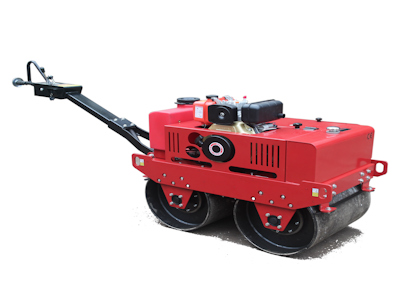
Дорожное строительство — это одна из ключевых отраслей инфраструктуры, которая определяет экономическое развитие и качество жизни в любой стране. Качественные дороги обеспечивают безопасность, комфорт и эффективность транспорта, способствуя росту торговли, туризма и промышленности. Однако создание надежных и долговечных дорожных покрытий требует использования высокотехнологичного оборудования, среди которого особое место занимают тяжелые катки. Эти машины являются незаменимыми помощниками в процессе уплотнения грунта, асфальта и других материалов, обеспечивая необходимую плотность и прочность дорожного полотна.
Современные тяжелые катки представляют собой сложные инженерные системы, оснащенные передовыми технологиями, которые позволяют достигать высочайших стандартов качества при минимальных затратах времени и ресурсов. В этой статье мы подробно рассмотрим различные типы тяжелых катков, их технические характеристики, преимущества и сферы применения. Мы также обсудим, как выбрать подходящий каток для конкретных проектов и какие инновации ожидают нас в будущем.
История дорожных катков насчитывает более двух веков. Первые упоминания о механических катках относятся к началу XIX века, когда для уплотнения грунта использовались простые барабаны, приводимые в движение лошадьми или вручную. Эти примитивные устройства были малоэффективны и требовали огромных усилий для достижения даже минимальной плотности.
С развитием промышленности в конце XIX века появились первые паровые катки, которые стали настоящим прорывом в дорожном строительстве. Они обладали большей мощностью и позволяли уплотнять более широкие участки дорог. Однако паровые катки были громоздкими, дорогими в эксплуатации и требовали постоянного обслуживания.
В XX веке с изобретением двигателя внутреннего сгорания катки стали более компактными, эффективными и доступными. Появились первые вибрационные катки, которые за счет колебаний значительно повышали эффективность уплотнения. С тех пор технологии не стояли на месте: внедрение гидравлических систем, электронного управления и автоматизации сделали современные катки высокоточными и надежными машинами.
Сегодня тяжелые катки оснащены GPS-навигацией, датчиками контроля уплотнения и системами телематики, которые позволяют операторам работать с максимальной точностью и эффективностью. Это не только улучшает качество дорог, но и сокращает сроки выполнения проектов, снижает затраты и минимизирует воздействие на окружающую среду.
Современные тяжелые катки можно классифицировать по нескольким критериям: по принципу действия, по типу рабочего органа, по массе и по назначению. Рассмотрим основные типы подробнее.
Вибрационные катки являются наиболее распространенным типом тяжелых катков в современном дорожном строительстве. Их основное преимущество — способность создавать высокочастотные колебания, которые передаются на уплотняемый материал, значительно повышая эффективность процесса. За счет вибрации частицы материала перераспределяются и уплотняются более равномерно, что позволяет достигать высокой плотности даже на сложных грунтах.
Вибрационные катки оснащены одним или несколькими вибрационными барабанами, которые могут работать в различных режимах: от низкочастотных колебаний для грубого уплотнения до высокочастотных для финишной обработки. Современные модели имеют системы автоматического регулирования частоты и амплитуды вибрации, что позволяет адаптироваться к разным типам материалов и условиям работы.
Эти катки идеально подходят для уплотнения асфальта, грунта, щебня и других сыпучих материалов. Они широко используются при строительстве автомобильных дорог, аэродромов, промышленных площадок и других объектов инфраструктуры.
Статические катки, также известные как гладковальцовые, работают по принципу статического давления: их вес передается на уплотняемый материал через гладкие барабаны. В отличие от вибрационных катков, они не создают колебаний, а rely solely on their mass to compact the material. Это делает их менее эффективными для некоторых типов грунтов, но они идеально подходят для финишного уплотнения асфальтовых покрытий, где важно избежать повреждения поверхности.
Статические катки often used in combination with vibratory rollers: сначала вибрационный каток выполняет основное уплотнение, а статический — завершающее, обеспечивая гладкую и ровную поверхность. Эти катки просты в обслуживании и надежны, что делает их популярными для небольших проектов и работ в urban areas, где вибрация может быть disruptive.
Пневмоколесные катки, также known as rubber-tired rollers, используют колеса с пневматическими шинами вместо стальных барабанов. Их основное преимущество — ability to apply kneading action to the material, which helps in compacting cohesive soils and asphalt mixtures more effectively. Шины создают переменное давление, что позволяет уплотнять material evenly and avoid over-compaction in some areas.
These rollers are particularly useful for compacting asphalt layers, as they can achieve high density without leaving marks on the surface. Они также хорошо подходят для работ on slopes and uneven terrain, где стальные барабаны might struggle. Modern pneumatic rollers are equipped with systems for adjusting tire pressure on the go, allowing operators to optimize compaction for different materials.
Комбинированные катки combine features of vibratory and static or pneumatic rollers, offering versatility for various applications. For example, some models have a vibratory drum on the front and pneumatic tires on the rear, allowing them to perform both initial compaction and finishing in one pass. Это сокращает время работы и повышает efficiency on large projects.
These rollers are ideal for projects that require multiple types of compaction, such as road construction where different layers need different approaches. Они often come with advanced control systems that allow operators to switch between modes seamlessly.
Современные тяжелые катки are characterized by a range of technical parameters that determine their performance and suitability for specific tasks. Key specifications include operating weight, drum width, vibration frequency, amplitude, engine power, and speed. Let's explore these in detail.
Рабочий вес катка is one of the most important parameters, as it directly affects the compaction force. Heavy-duty rollers typically have an operating weight of 10 to 20 tons or more, allowing them to compact thick layers of material effectively. Однако вес must be balanced with mobility and ground pressure to avoid damaging the subgrade or existing structures.
Modern rollers often feature ballast systems that allow operators to adjust the weight by adding or removing weights, providing flexibility for different projects. This is particularly useful when working on weak soils or when transitioning between materials.
Ширина барабана determines the coverage area per pass, affecting productivity. Wider drums allow for faster compaction of large areas, but they may be less maneuverable in tight spaces. Диаметр барабана influences the contact pressure and ability to compact uneven surfaces. Larger diameters provide smoother operation and better performance on rough terrain.
Many modern rollers have drums with variable widths or segmented designs that can be adjusted to suit different job requirements. This enhances versatility and efficiency.
For vibratory rollers, frequency and amplitude of vibration are critical. Frequency, measured in vibrations per minute (vpm), affects how quickly the material is compacted, while amplitude, measured in millimeters, determines the depth of compaction. High frequency and low amplitude are ideal for surface layers, while low frequency and high amplitude are better for deep compaction.
Advanced rollers feature continuously variable vibration settings, allowing operators to optimize these parameters in real-time based on material conditions. This is often controlled by onboard computers that monitor compaction progress.
Мощность двигателя, typically measured in horsepower or kilowatts, determines the roller's ability to operate on slopes, accelerate, and power auxiliary systems. Heavy-duty rollers require powerful engines to maintain performance under load. Modern engines are designed to be fuel-efficient and compliant with emission standards, reducing environmental impact.
Скорость движения affects productivity, with higher speeds allowing for faster coverage. However, speed must be controlled to ensure effective compaction; too fast, and the material may not be compacted properly. Modern rollers have hydrostatic transmissions that provide smooth speed control and high torque at low speeds.
Современные тяжелые катки offer numerous advantages over older models, making them essential for efficient and high-quality road construction. These benefits include improved efficiency, enhanced quality, operator comfort, and environmental sustainability.
Благодаря advanced technologies like vibration control and GPS guidance, modern rollers can achieve desired compaction levels faster and with fewer passes. This reduces project timelines and labor costs. For example, systems that automatically adjust vibration parameters based on material density can optimize each pass, minimizing over-compaction or under-compaction.
Modern rollers are equipped with sensors that measure compaction in real-time, providing feedback to the operator. This ensures uniform density throughout the project, which is crucial for the longevity and safety of the road. Consistent compaction prevents issues like rutting, cracking, and water infiltration.
Кабины современных катков designed with ergonomics in mind, featuring air conditioning, reduced noise levels, and excellent visibility. This improves operator comfort and reduces fatigue, leading to better performance and safety. Additionally, safety features like backup cameras, anti-roll systems, and emergency stops enhance on-site safety.
Many modern rollers use engines that meet strict emission standards (e.g., Euro V or Tier 4), reducing their environmental footprint. Some models are hybrid or electric, offering zero emissions on site. Fuel-efficient designs also lower operating costs and resource consumption.
Тяжелые катки используются в various sectors of construction and infrastructure development. Their primary application is in road building, but они also essential for airports, dams, railways, and industrial projects.
In road construction, heavy rollers are used to compact subgrade, base courses, and asphalt layers. They ensure that the road foundation is stable and the surface is smooth and durable. Different types of rollers are employed at various stages: vibratory rollers for initial compaction, pneumatic rollers for intermediate layers, and static rollers for finishing.
Airport runways require exceptionally high compaction standards to support heavy aircraft. Heavy rollers are used to compact the thick layers of concrete or asphalt, ensuring evenness and strength to withstand constant loads and weather conditions.
For dams and levees, compaction is critical to prevent seepage and ensure structural integrity. Heavy rollers compact earth and rock fills to achieve the necessary density, often working on large-scale projects with strict quality controls.
Parking lots, warehouse floors, and other industrial areas require compacted bases for durability. Rollers are used to prepare the ground before paving, ensuring a solid foundation that can handle heavy traffic and equipment.
Choosing the right heavy roller depends on several factors: project size, material type, site conditions, and budget. Here are some key considerations.
For large highway projects, high-capacity vibratory rollers are ideal. For urban areas with space constraints, smaller or combination rollers might be better. Assess the scope and requirements of your project to determine the needed specifications.
Different materials require different compaction approaches. cohesive soils like clay need kneading action from pneumatic rollers, while granular materials like gravel respond well to vibration. Asphalt requires a combination of vibration and static pressure for optimal results.
Consider terrain: slopes may require rollers with good traction and stability. confined spaces need compact models. Also, think about access to fuel and maintenance facilities.
Evaluate not only the purchase price but also operating costs, maintenance needs, and resale value. Modern rollers with fuel-efficient engines and low maintenance requirements can be more economical in the long run.
The future of heavy rollers is shaped by technological advancements aimed at increasing automation, efficiency, and sustainability. Trends include autonomous operation, electric propulsion, and enhanced data analytics.
Some manufacturers are developing fully autonomous rollers that can operate without human intervention, using GPS and sensors to navigate and compact precisely. This could revolutionize large-scale projects by reducing labor costs and improving safety.
Electric rollers are becoming more common, offering quiet, emission-free operation ideal for urban environments. Hybrid models combine diesel and electric power for flexibility and reduced fuel consumption.
Integration with IoT and cloud computing allows for real-time monitoring of compaction data, which can be analyzed to optimize processes and predict maintenance needs. This leads to smarter, more efficient construction practices.
Современные тяжелые катки для дорог — это sophisticated machines that play a vital role in building the infrastructure of tomorrow. With their advanced features, они not only improve the quality and durability of roads but also contribute to more sustainable and efficient construction practices. Whether you are involved in large-scale highway projects or local urban development, investing in the right heavy roller can make all the difference in achieving success.
As technology continues to evolve, we can expect even greater innovations in this field, making road construction faster, safer, and more environmentally friendly. Embrace these advancements to stay ahead in the competitive world of construction.
Если вы заинтересованы в приобретении или аренде современных тяжелых катков, обратитесь к нашим специалистам для консультации. Мы поможем подобрать оборудование, идеально соответствующее вашим потребностям и бюджету.
Предыдущая статья: Многофункциональная уплотнительная техника нового поколения
Следующий пост: Почему вибрационные катки с легким управлением так популярны
Ningbo Feihu Machinery Co., Ltd.
Контактные лица:Shawn
Телефон:1388xx888xx / 1388xx888xx
Адрес:Beside Provincial Road, Yushantou, Dongqiao Town, Ningbo, Zhejiang, China
Ningbo Feihu Machinery Co., Ltd.
Контактные лица:Shawn
Телефон:1388xx888xx / 1388xx888xx
Адрес:Beside Provincial Road, Yushantou, Dongqiao Town, Ningbo, Zhejiang, China