

1388xx888xx
1388xx888xx@gmail.com

2025-12-07 08:01:10
В современном строительстве уплотнение грунта является критически важным процессом, который напрямую влияет на прочность, устойчивость и долговечность зданий, дорог и других инфраструктурных объектов. Недостаточно уплотненный грунт может привести к просадкам, трещинам и даже катастрофическим последствиям, таким как обрушения. Именно поэтому инженеры и строители постоянно ищут инновационные методы и технологии для достижения идеального уплотнения. Среди множества подходов, вибрационные технологии выделяются своей эффективностью, универсальностью и экономичностью. В этой статье мы глубоко погрузимся в мир вибрационного уплотнения грунта, рассмотрим его принципы, преимущества, современное оборудование и практические советы для достижения безупречных результатов.
Уплотнение грунта — это процесс увеличения плотности почвы путем удаления воздуха из пор между частицами грунта. Это достигается за счет приложения внешней силы, такой как статическое давление, удар или вибрация. Цель уплотнения — улучшить механические свойства грунта, включая его несущую способность, устойчивость к деформациям и resistance к water infiltration. В строительстве уплотненный грунт служит прочным основанием для фундаментов, дорожных покрытий, аэродромов и других сооружений.
Важность уплотнения нельзя переоценить. Например, в дорожном строительстве неправильно уплотненное основание может привести к образованию колейности, трещин и premature deterioration дорожного полотна. В жилищном строительстве слабое уплотнение может вызвать неравномерную осадку здания, что ведет к structural damage и costly repairs. Исторически известны случаи, когда недостаточное уплотнение стало причиной аварий, таких как обрушение мостов или дамб. Поэтому соблюдение стандартов уплотнения, таких как those set by ГОСТ в России или international norms like ASTM, является обязательным для обеспечения safety and longevity сооружений.
Основные факторы, влияющие на уплотнение, включают тип грунта (например, глинистые, песчаные или gravel soils), влажность, гранулометрический состав и метод уплотнения. Вибрационные методы особенно эффективны для granular soils, таких как песок и gravel, где вибрация помогает частицам перераспределиться в более плотную конфигурацию.
Вибрационное уплотнение основано на применении высокочастотных колебаний к грунту, которые вызывают движение частиц и уменьшение объема пор. Когда вибрация передается в грунт, частицы начинают вибрировать и временно теряют friction между собой, allowing them to settle into a denser arrangement. This process is highly efficient because it requires less energy compared to static or impact methods, and it can achieve uniform compaction over large areas.
The physics behind vibration compaction involves concepts from soil mechanics and dynamics. The vibratory force generates waves that propagate through the soil, reducing interparticle forces and enabling compaction. The effectiveness depends on factors such as frequency, amplitude, and the weight of the equipment. For instance, higher frequencies (typically between 25-70 Hz) are ideal for fine-grained soils, while lower frequencies may be better for coarse materials. Modern vibratory compactors are designed with adjustable parameters to optimize performance for different soil conditions.
One key advantage of vibration is its ability to compact soil layers uniformly, minimizing the risk of weak spots. This is crucial in projects like earthwork for highways or foundations, where consistent density is essential. Additionally, vibratory methods are faster and more productive, reducing project timelines and labor costs. Compared to traditional methods like manual tamping or roller compaction, vibration offers superior results with less effort.
Существует широкий спектр оборудования, предназначенного для вибрационного уплотнения, каждый тип tailored to specific applications and soil types. Основные категории включают вибрационные катки, виброплиты, вибротрамбовки и специализированные машины для deep compaction.
Вибрационные катки (vibratory rollers) являются наиболее распространенным equipment for large-scale projects such as road construction and land development. They consist of a drum that vibrates as it rolls over the soil, applying both static and dynamic forces. These rollers come in various sizes, from small walk-behind models to large ride-on machines, and can be used for both surface and deep compaction. Examples include single-drum rollers for asphalt compaction and tandem rollers for soil work. Innovations in this area include intelligent systems with GPS and sensors that monitor compaction in real-time, ensuring adherence to specifications.
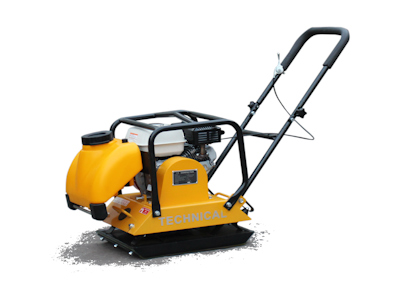
Виброплиты (vibratory plates) are smaller, portable devices ideal for confined spaces or small areas like trenches, sidewalks, and around foundations. They operate by generating vibrations through a plate that is manually guided over the soil. V ibroplates are lightweight and easy to maneuver, making them popular for residential construction and repair work. They are particularly effective for granular soils and can achieve high densities with multiple passes.
Вибротрамбовки (vibratory rammers or jumpers) are designed for cohesive soils like clay, where impact force is needed in addition to vibration. These machines use a piston mechanism to deliver high-energy blows combined with vibration, making them suitable for trench backfill and other challenging conditions. They are often used in utility work and pipeline construction.
For deep compaction, equipment such as vibratory probes or deep vibrators are employed. These are used to compact soil at depths beyond the reach of surface equipment, often in foundation work for high-rise buildings or in soil stabilization projects. Techniques like vibroflotation involve inserting a vibratory probe into the ground to densify loose soils, improving their bearing capacity.
Choosing the right equipment depends on factors like soil type, project size, depth requirements, and budget. Modern advancements include hybrid machines that combine vibration with other technologies, such as oscillation or GPS guidance, to enhance efficiency and precision.
Вибрационное уплотнение offers numerous benefits over traditional methods like static rolling or manual compaction, making it the preferred choice in many construction scenarios. One of the primary advantages is efficiency: vibratory equipment can achieve the desired density in fewer passes, saving time and fuel. For example, a vibratory roller might compact a layer of soil in 4-6 passes, whereas a static roller could require 10 or more, significantly reducing project duration.
Another key benefit is uniformity. Vibration ensures even compaction across the entire area, eliminating soft spots that can lead to future problems. This is particularly important in critical infrastructure projects where consistency is paramount. The ability to adjust vibration parameters allows operators to tailor the process to specific soil conditions, optimizing results without over-compaction, which can sometimes cause soil degradation.
Cost-effectiveness is also a major advantage.虽然 initial investment in vibratory equipment may be higher than for simple tools, the long-term savings in labor, time, and material costs are substantial. Reduced number of passes means lower equipment wear and tear, less fuel consumption, and decreased labor hours. Additionally, the high quality of compaction reduces the need for repairs and maintenance over the life of the structure, providing economic benefits throughout the asset's lifecycle.
Вибрационные методы are also more versatile. They can be used on a variety of soil types, from sands to clays, with appropriate adjustments. This flexibility makes them suitable for diverse projects, from small DIY tasks to large industrial sites. Environmental benefits include reduced noise and vibration pollution compared to impact methods, though proper operation is still necessary to minimize disturbance.
Safety is enhanced with modern vibratory equipment, which often features ergonomic designs, safety guards, and automated controls that reduce operator fatigue and risk of injury. Overall, the adoption of vibration technology represents a step forward in construction efficiency and sustainability.
Чтобы maximize the effectiveness of vibratory compaction, it is essential to follow best practices and consider key factors during operation. First, conduct a thorough site investigation to determine soil type, moisture content, and desired compaction density. Soil testing, such as Proctor tests, can help establish the optimum moisture content for compaction, as too wet or too dry soil can hinder the process.
Choose the right equipment for the job. For instance, use vibratory plates for small areas and granular soils, and vibratory rammers for cohesive soils. Ensure that the equipment is properly maintained, with regular checks on vibration mechanisms, engines, and safety features. Operator training is crucial; skilled operators can adjust speed, amplitude, and frequency based on real-time conditions to avoid under- or over-compaction.
During compaction, make multiple passes in a systematic pattern, such as overlapping passes by about one-third of the equipment width to ensure uniformity. Monitor compaction progress using tools like nuclear density gauges or non-destructive testing methods to verify that specifications are met. For deep compaction, follow guidelines on probe insertion depth and spacing to achieve consistent results.
Pay attention to environmental conditions. Avoid compacting in extreme weather, such as heavy rain or freezing temperatures, which can affect soil properties. If working near existing structures, use lower amplitudes to prevent damage from vibrations. Always adhere to safety protocols, including wearing protective gear and ensuring clear communication on site.
By implementing these tips, contractors can achieve ideal compaction that meets regulatory standards and ensures the longevity of the construction project. Continuous innovation in equipment and techniques, such as the integration of IoT for real-time monitoring, is making this process even more reliable and efficient.
The future of vibratory compaction is bright, with ongoing advancements aimed at enhancing precision, efficiency, and sustainability. One emerging trend is the integration of smart technology into compaction equipment. IoT-enabled compactors can collect and transmit data on compaction progress, allowing for real-time adjustments and automated quality control. This reduces human error and ensures that every section of the project meets exact specifications.
Another innovation is the development of eco-friendly equipment, such as electric or hybrid vibratory compactors that reduce carbon emissions and noise pollution. These are particularly valuable in urban areas or environmentally sensitive projects. Additionally, research into new vibration patterns and materials is leading to more effective compaction with less energy input.
Automation and robotics are also making inroads. Autonomous compactors that can operate without human intervention are being tested, which could revolutionize large-scale earthwork by increasing productivity and safety. These machines use AI to navigate and compact sites optimally, adapting to changing conditions on the fly.
In terms of materials, there is growing interest in combining vibration with other methods, such as chemical stabilization or geosynthetics, to improve soil properties further. For example, vibro replacement techniques involve inserting granular columns with vibration to reinforce weak soils.
Overall, the future points towards more intelligent, efficient, and sustainable compaction solutions that will help build stronger, safer, and more durable infrastructure worldwide. As technology evolves, vibratory compaction will continue to be a cornerstone of modern construction practices.
В заключение, эффективная вибрация для уплотнения грунта — это не просто технология, а искусство, требующее знаний, опыта и правильного оборудования. Освоив эти аспекты, строители могут добиться идеальных результатов, обеспечивая надежность и долговечность своих проектов. Следите за инновациями и continuously improve your practices to stay ahead in the competitive construction industry.
Предыдущая статья: Как выбрать безопасный виброуплотнитель для строительных работ
Следующий пост: Какие меры предосторожности при обслуживании вибрационного катка
Ningbo Feihu Machinery Co., Ltd.
Контактные лица:Shawn
Телефон:1388xx888xx / 1388xx888xx
Адрес:Beside Provincial Road, Yushantou, Dongqiao Town, Ningbo, Zhejiang, China
Ningbo Feihu Machinery Co., Ltd.
Контактные лица:Shawn
Телефон:1388xx888xx / 1388xx888xx
Адрес:Beside Provincial Road, Yushantou, Dongqiao Town, Ningbo, Zhejiang, China