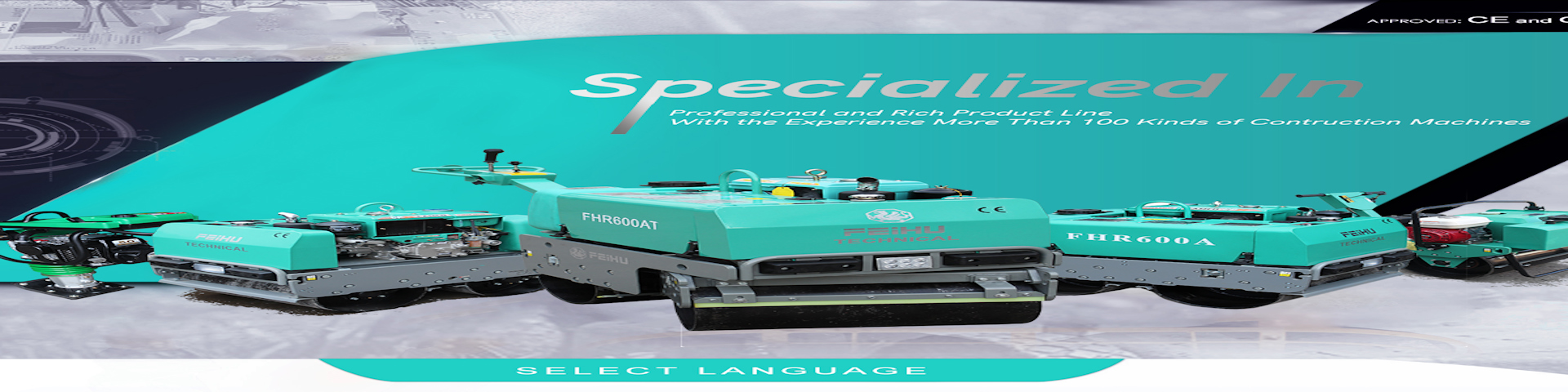
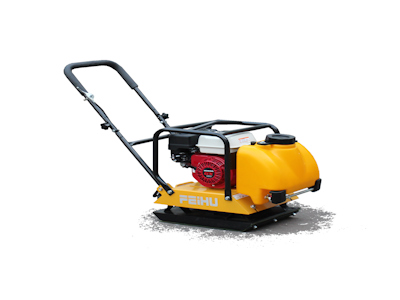
В современном мире строительства и инфраструктурного развития одной из самых больших проблем остаётся работа с мягкими и неустойчивыми грунтами. Такие грунты, включая глины, илы, торфяные почвы и другие слабые основания, часто приводят к просадкам, деформациям и даже катастрофам, если не обработаны должным образом. Традиционные методы уплотнения, такие как виброуплотнение или использование тяжелой техники, хотя и эффективны в некоторых случаях, часто недостаточны для сложных условий и могут быть затратными по времени и ресурсам. Однако, с появлением умных технологий, область геотехники переживает настоящую революцию. Технология умного уплотнения мягких грунтов представляет собой инновационный подход, сочетающий автоматизацию, мониторинг в реальном времени и адаптивные алгоритмы для достижения оптимальных результатов. В этой статье мы подробно рассмотрим эту удивительную технологию, её принципы, преимущества, применения и будущие перспективы.
Введение в проблему мягких грунтов
Мягкие грунты – это природные или антропогенные почвы с низкой несущей способностью, высокой сжимаемостью и часто высокой влажностью. Они распространены во многих регионах мира, особенно в прибрежных зонах, river deltas, и areas with high organic content. Строительство на таких грунтах без proper treatment can lead to significant issues such as settlement, liquefaction during earthquakes, and overall structural failure. Historical examples include the Leaning Tower of Pisa, which倾斜 due to unstable foundation soil, or more recent incidents like the sinkholes in urban areas. Traditional compaction methods involve mechanical means like rollers, vibratory plates, or dynamic compaction, which rely on brute force to increase soil density. However, these methods have limitations: they may not be effective in very soft soils, can cause excessive vibration damaging nearby structures, and often require multiple passes and manual oversight, leading to inefficiencies and higher costs.
The need for smarter solutions has driven research and development in geotechnical engineering. Enter smart compaction technology – a game-changer that uses sensors, IoT (Internet of Things), and data analytics to optimize the compaction process. This technology not only improves the quality and uniformity of compaction but also reduces time, cost, and environmental impact. In this article, we will delve into the amazing world of smart compaction, exploring how it works, why it's better, and where it's being applied.
Основы умного уплотнения: Как это работает
Умное уплотнение грунтов базируется на интеграции advanced sensors and control systems into compaction equipment. The core idea is to monitor soil properties in real-time during the compaction process and adjust the machinery's operations accordingly. Key components include:
- Датчики: Accelerometers, GPS, and moisture sensors are attached to compactors. These sensors measure parameters like vibration frequency, amplitude, soil stiffness, and moisture content.
- Системы управления: Onboard computers process sensor data using algorithms to determine the optimal compaction effort. For example, if a area is already sufficiently compacted, the system can reduce energy input to avoid over-compaction.
- Связь в реальном времени: Data is transmitted wirelessly to a central platform, allowing engineers to monitor progress remotely and make adjustments as needed.
- Адаптивные алгоритмы: Machine learning models can predict soil behavior and recommend compaction strategies based on historical data and current conditions.
This intelligent approach ensures that every part of the soil is compacted to the desired density without guesswork. For instance, in soft soils, the system might increase vibration intensity gradually to avoid causing instability, whereas in stiffer areas, it could apply less force to save energy. The result is a more uniform and reliable foundation, reducing the risk of future problems.
Compared to traditional methods, smart compaction offers precision and efficiency. A study by the Federal Highway Administration in the US showed that smart compaction can reduce compaction passes by up to 30%, saving time and fuel. Moreover, it provides documented proof of compaction quality, which is crucial for compliance with building codes and standards.
Преимущества умного уплотнения перед традиционными методами
The adoption of smart compaction technology brings numerous benefits across various dimensions:
- Повышенная эффективность: By optimizing the compaction process, projects can be completed faster. Real-time feedback eliminates the need for trial and error, reducing the number of passes required. This translates to lower labor costs, less equipment wear, and decreased fuel consumption.
- Улучшенное качество: Uniform compaction leads to better soil stability and reduced settlement. Smart systems ensure that no area is under-compacted or over-compacted, which is common with manual methods. This enhances the longevity and safety of structures built on treated soil.
- Экономия затрат: Although initial investment in smart technology may be higher, the long-term savings are significant. Reduced rework, fewer material costs (e.g., less need for additional fill), and lower energy use contribute to a better return on investment.
- Экологичность: Smart compaction minimizes environmental impact by reducing emissions from equipment and preventing soil disturbance. It also allows for better resource management, as precise compaction means less material is wasted.
- Безопасность: Automated systems reduce the need for human operators to work in hazardous conditions, such as near unstable slopes or in confined spaces. Remote monitoring further enhances safety by keeping personnel at a distance.
- Документирование и отслеживание: All compaction data is logged digitally, providing a clear record for quality assurance and future reference. This is invaluable for large infrastructure projects where accountability is key.
These advantages make smart compaction particularly attractive for projects in challenging environments, such as wetlands, earthquake-prone areas, or urban settings with limited space.
Применение технологии в различных отраслях
Smart compaction technology is versatile and finds applications in multiple sectors:
- Строительство дорог и highways: Ensuring a stable base is critical for pavement longevity. Smart compaction is used to compact subgrade and base layers, reducing rutting and potholes. For example, in the construction of the Moscow-St. Petersburg highway, smart systems were employed to handle variable soil conditions, resulting in a smoother and more durable road.
- Гражданское строительство: Foundations for buildings, bridges, and dams benefit from precise compaction. In soft soil areas like those found in parts of Siberia or the Volga region, smart technology helps prevent differential settlement that could compromise structural integrity.
- Аэропорты и взлетно-посадочные полосы: Runways require extremely uniform compaction to support heavy aircraft. Smart compaction systems are used to achieve the high densities needed, as seen in recent upgrades to airports in Russia, such as Sheremetyevo.
- Железнодорожное строительство: Ballast and subballast layers for railways are compacted using smart technology to ensure track stability and reduce maintenance needs. This is especially important in regions with permafrost or soft soils.
- Восстановление после стихийных бедствий: After events like floods or earthquakes, soft soils can be destabilized. Smart compaction aids in quick and effective rehabilitation of affected areas, as demonstrated in recovery efforts following the 2012 Krymsk flood in Russia.
- Сельское хозяйство и мелиорация: In agricultural lands, compaction can improve soil structure for better crop growth, but over-compaction must be avoided. Smart systems provide the balance needed, optimizing soil health.
Case studies highlight the effectiveness of this technology. For instance, a project in the Netherlands used smart compaction to stabilize peat soils for a new residential area, achieving a 20% reduction in compaction time and improved safety margins.
Технические детали и инновации
At the heart of smart compaction are several technical innovations:
- Датчики и IoT: Modern compactors are equipped with high-precision sensors that measure acceleration, pressure, and moisture. IoT connectivity allows data to be streamed to cloud platforms for analysis. For example, systems like Bomag's BCM 05 or Caterpillar's Compaction Control use these technologies to provide real-time density measurements.
- Искусственный интеллект и машинное обучение: AI algorithms analyze sensor data to predict soil behavior and optimize compaction parameters. Over time, these systems learn from past projects, improving accuracy. Research institutions, such as Moscow State University of Civil Engineering, are developing custom AI models for regional soil types.
- Беспилотные системы: Autonomous compactors are emerging, capable of operating without human intervention. These use GPS for navigation and sensors for obstacle avoidance, making them ideal for large-scale or dangerous sites.
- Интеграция с BIM: Building Information Modeling (BIM) is combined with smart compaction data to create digital twins of construction sites. This allows for virtual testing and planning, reducing errors during execution.
- Энергоэффективность: New compactor designs focus on reducing energy consumption. Electric and hybrid compactors are being developed, coupled with smart systems to minimize power use while maximizing output.
These advancements are pushing the boundaries of what's possible in geotechnical engineering. For instance, in a recent project in Sochi for Olympic infrastructure, smart compaction with AI integration helped handle the complex coastal soils, ensuring the facilities were built on a solid foundation.
Вызовы и ограничения
Despite its benefits, smart compaction technology faces several challenges:
- Высокая начальная стоимость: The investment in smart equipment and software can be prohibitive for small contractors or projects with tight budgets. However, as technology matures, costs are expected to decrease.
- Сложность внедрения: Integrating smart systems requires trained personnel and changes to traditional workflows. There can be resistance from workers accustomed to manual methods.
- Зависимость от данных: The effectiveness of smart compaction relies on accurate sensor data. Environmental factors like extreme weather or electromagnetic interference can affect performance.
- Регуляторные барьеры: Building codes and standards may not yet fully accommodate smart technology, requiring updates to legal frameworks. In Russia, for example, efforts are underway to revise GOST standards to include smart compaction protocols.
- Технические ограничения: In very soft or saturated soils, smart systems might struggle to achieve desired densities without additional measures like soil stabilization with chemicals or geosynthetics.
Addressing these challenges involves collaboration between industry, academia, and government. Pilot projects and training programs can facilitate adoption, while ongoing research aims to improve technology robustness.
Будущие тенденции и перспективы
The future of smart compaction looks promising, with several trends on the horizon:
- Расширение использования AI: AI will become more sophisticated, enabling predictive maintenance of equipment and even more precise compaction control. Imagine systems that can autonomously adapt to changing soil conditions during a project.
- Развитие sustainability: There will be a greater focus on green technologies, such as compactors powered by renewable energy or designed to minimize carbon footprint. Smart compaction will play a role in circular economy practices by optimizing material reuse.
- Глобальная стандартизация: International standards for smart compaction will emerge, facilitating cross-border projects and ensuring consistency in quality. Organizations like ISO are already working on guidelines.
- Интеграция с другими smart technologies: Smart compaction will be part of larger smart city initiatives, integrating with systems for traffic management, utility installation, and environmental monitoring.
- Доступность для малого бизнеса: As costs drop, smaller firms will adopt smart technology, democratizing access to advanced geotechnical solutions.
In Russia, government initiatives like the "Digital Economy" program are encouraging the adoption of such technologies in infrastructure projects. By 2030, it's estimated that over 50% of major construction projects in the country will incorporate smart compaction systems.
Заключение
Технология умного уплотнения мягких грунтов представляет собой значительный скачок вперёд в геотехнике и строительстве. Combining automation, real-time monitoring, and data analytics, it addresses the limitations of traditional methods by delivering higher efficiency, better quality, and cost savings. While challenges remain, the ongoing innovations and growing adoption across industries underscore its potential to transform how we build on challenging soils. As we move towards a more connected and sustainable future, smart compaction will undoubtedly play a crucial role in ensuring the safety and durability of our infrastructure. Embracing this technology is not just an option but a necessity for progress in the 21st century.
In summary, the amazing technology of smart compaction is set to redefine standards in construction, making projects faster, safer, and more reliable. It's a testament to human ingenuity and our ability to harness technology for solving age-old problems.