

1388xx888xx
1388xx888xx@gmail.com

2025-12-10 08:01:10
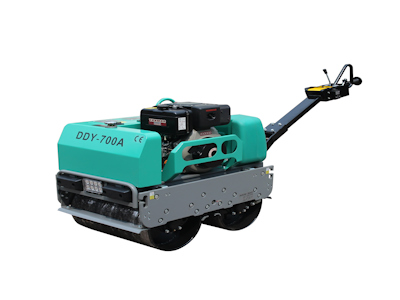
Строительная отрасль всегда была одной из основ экономического развития, но с ростом населения и урбанизацией возникают новые вызовы, такие как необходимость более эффективного и безопасного строительства. Одной из ключевых проблем является уплотнение грунта – процесс, который часто определяет долговечность и стабильность сооружений. Традиционные методы уплотнения, хотя и проверены временем, могут быть трудоемкими, дорогостоящими и не всегда обеспечивают оптимальные результаты. Однако, с внедрением умных решений, таких как IoT-устройства, искусственный интеллект и автоматизированные системы, уплотнение грунта переживает настоящую революцию. В этой статье мы подробно рассмотрим, как эти инновации меняют строительную отрасль, улучшая качество работ, сокращая сроки и затраты, а также способствуя устойчивому развитию.
Уплотнение грунта – это процесс увеличения плотности почвы путем удаления воздуха и воды из пор, что улучшает ее несущую способность и снижает риск осадки. Этот этап критически важен для фундаментов, дорог, аэропортов и других инфраструктурных проектов. Исторически, уплотнение осуществлялось с помощью простых инструментов, таких как ручные трамбовки или катки, но с развитием технологий появились более sophisticated методы, включая вибрационные катки и динамическое уплотнение. Тем не менее, даже эти advanced techniques often rely on human judgment, which can lead to inconsistencies. For example, in the past, construction projects have faced delays and cost overruns due to inadequate compaction, resulting in structural failures or the need for costly repairs. According to industry reports, up to 20% of construction defects are related to soil issues, highlighting the urgency for smarter approaches. The advent of smart solutions addresses these challenges by providing real-time data, automation, and predictive analytics, transforming compaction from an art into a science.
Умные решения для уплотнения грунта – это интеграция цифровых технологий в традиционные процессы, чтобы сделать их более efficient, accurate, and sustainable. These solutions typically involve sensors, IoT devices, AI algorithms, and cloud computing. For instance, smart compaction systems use sensors mounted on compaction equipment to measure soil density, moisture content, and other parameters in real-time. This data is then transmitted to a central platform where AI analyzes it to provide recommendations or even automatically adjust the compaction process. Key components include GPS for tracking, wireless communication for data transfer, and machine learning models that learn from historical data to predict optimal compaction patterns. The benefits are multifaceted: reduced human error, increased productivity, lower environmental impact, and enhanced safety. By leveraging these technologies, construction companies can achieve higher quality standards while saving time and resources. For example, a study by the American Society of Civil Engineers showed that smart compaction can reduce compaction passes by up to 30%, leading to significant fuel savings and reduced emissions.
Several cutting-edge technologies are driving the smart compaction revolution. First, IoT sensors play a crucial role by collecting data on soil properties such as density, stiffness, and moisture. These sensors are often embedded in compaction rollers or other equipment and can communicate via Bluetooth or cellular networks. Second, artificial intelligence and machine learning algorithms process this data to identify patterns and make predictions. For instance, AI can determine the optimal number of passes needed for a specific soil type based on historical data, minimizing over-compaction or under-compaction. Third, cloud computing enables real-time data storage and analysis, allowing project managers to monitor progress from anywhere. Additionally, augmented reality (AR) and virtual reality (VR) are emerging as tools for training operators and visualizing compaction results. Drones are also being used for aerial surveys to assess large areas quickly. These technologies work together to create a seamless, data-driven process that enhances decision-making. A notable example is the use of smart compaction in the construction of high-speed railways in Europe, where it has improved accuracy and reduced construction time by 15%.
The adoption of smart compaction solutions offers numerous advantages for the construction industry. Firstly, it significantly improves efficiency by automating repetitive tasks and reducing the need for manual inspections. This leads to faster project completion times and lower labor costs. For example, in a typical road construction project, smart compaction can cut down the time spent on quality control by half. Secondly, it enhances quality and durability of structures by ensuring consistent compaction across the entire site. This reduces the risk of future problems like settlement or cracking, which can be costly to repair. Thirdly, smart solutions promote sustainability by optimizing resource use. By minimizing unnecessary passes, they reduce fuel consumption and greenhouse gas emissions. Additionally, better compaction can improve soil health and reduce erosion, contributing to environmental conservation. Safety is another key benefit; with real-time monitoring, operators can avoid hazardous areas and prevent accidents. Economically, the initial investment in smart technology is often offset by long-term savings from reduced rework and maintenance. Case studies from projects in countries like Germany and Japan show that smart compaction can lead to a 20% reduction in overall project costs.
Real-world examples demonstrate the transformative impact of smart compaction. In the Netherlands, a major infrastructure project for dike reinforcement used IoT-based compaction systems to ensure the stability of the soil against flooding. Sensors provided continuous data on soil density, allowing engineers to make adjustments on the fly and avoid potential failures. The project was completed ahead of schedule and within budget, with a reported 25% improvement in compaction quality. Another example is from the United States, where a highway construction project in Texas implemented AI-driven compaction tools. The system used machine learning to predict soil behavior under different conditions, resulting in a 40% reduction in compaction-related issues. In Asia, smart compaction has been adopted in the construction of skyscrapers in cities like Singapore, where space constraints demand precision. Here, drones and AR were used to visualize compaction data in 3D, helping teams achieve uniform density even in complex terrains. These successes highlight how smart solutions are not just theoretical but practical tools that deliver tangible benefits.
Despite its benefits, the adoption of smart compaction faces several challenges. One major barrier is the high initial cost of technology, including sensors, software, and training. Small and medium-sized enterprises (SMEs) may find it difficult to afford these investments, potentially widening the gap between large and small players in the industry. Additionally, there is a skills gap; operators and engineers need to be trained to use these new tools effectively, which requires time and resources. Data security is another concern, as the reliance on cloud storage and IoT devices increases the risk of cyber attacks. Furthermore, interoperability between different systems can be an issue, as not all technologies from various vendors work seamlessly together. Regulatory hurdles also exist; in some regions, outdated standards may not accommodate smart technologies, slowing down adoption. However, these challenges are not insurmountable. Governments and industry associations are increasingly promoting standards and offering incentives for technology adoption. For instance, the European Union has funded research projects to develop open-source platforms for smart construction, making technology more accessible.
The future of smart compaction looks promising, with ongoing advancements in technology set to further revolutionize the construction industry. Predictions indicate that by 2030, most compaction processes will be fully automated, with AI making real-time decisions without human intervention. Emerging technologies like 5G will enable faster data transmission, allowing for even more precise control. Additionally, the integration of blockchain could enhance data integrity and transparency in projects. Sustainability will remain a key driver, with smart compaction playing a role in green building certifications such as LEED. Moreover, as artificial intelligence becomes more sophisticated, it may be able to predict soil behavior under climate change scenarios, helping to future-proof infrastructure. The construction industry as a whole is moving towards digital twins – virtual replicas of physical assets – where smart compaction data can be used to simulate and optimize projects before they are built. This will reduce risks and improve outcomes. Ultimately, the widespread adoption of smart solutions will lead to a more resilient, efficient, and sustainable built environment, transforming how we build for generations to come.
В заключение, умные решения для уплотнения грунта представляют собой значительный шаг вперед для строительной отрасли, предлагая беспрецедентные улучшения в эффективности, качестве и устойчивости. Путем интеграции технологий, таких как IoT, AI и cloud computing, эти системы преодолевают limitations традиционных методов и открывают новые возможности для инноваций. Хотя внедрение сталкивается с challenges, такими как стоимость и skills gap, benefits far outweigh the drawbacks, as evidenced by successful projects worldwide. Строительная отрасль должна embrace these changes to stay competitive and meet the demands of a rapidly evolving world. By investing in smart compaction, we can build safer, more durable, and environmentally friendly infrastructure that serves society for years to come. The revolution is already underway, and it is time for all stakeholders – from contractors to policymakers – to support this transformation.
Предыдущая статья: Топ10 советов по безопасной эксплуатации роликов для новичков
Следующий пост: Самый мощный вибрационный каток покоряет любые грунты
Ningbo Feihu Machinery Co., Ltd.
Контактные лица:Shawn
Телефон:1388xx888xx / 1388xx888xx
Адрес:Beside Provincial Road, Yushantou, Dongqiao Town, Ningbo, Zhejiang, China
Ningbo Feihu Machinery Co., Ltd.
Контактные лица:Shawn
Телефон:1388xx888xx / 1388xx888xx
Адрес:Beside Provincial Road, Yushantou, Dongqiao Town, Ningbo, Zhejiang, China