

1388xx888xx
1388xx888xx@gmail.com

2025-12-12 00:01:10
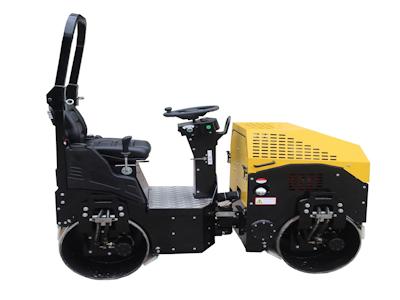
В современном мире строительная отрасль сталкивается с растущими требованиями к скорости, качеству и экологической устойчивости. Тяжелые вибрационные катки, как ключевое оборудование для уплотнения грунта и асфальта, играют решающую роль в инфраструктурных проектах. Однако традиционные методы часто ограничены низкой эффективностью, высоким энергопотреблением и негативным воздействием на окружающую среду. В ответ на эти вызовы, инновации в тяжелых вибрационных катках становятся неотъемлемой частью прогресса, предлагая революционные решения для повышения производительности, снижения затрат и минимизации экологического следа.
Первые вибрационные катки появились в начале XX века, но их массовое распространение началось лишь в 1950-х годах с развитием дорожного строительства. Изначально это были простые механические устройства с ручным управлением, которые обеспечивали базовое уплотнение за счет вибрации, создаваемой эксцентриковыми грузами. Однако с ростом масштабов строительства, особенно после Второй мировой войны, потребовались более мощные и эффективные машины. В 1970-х годах были внедрены гидравлические системы, которые позволили улучшить контроль над вибрацией и увеличить грузоподъемность. К 1990-м годам тяжелые вибрационные катки стали оснащаться электронными системами управления, что ознаменовало начало эры автоматизации. Сегодня, с появлением интернета вещей (IoT), искусственного интеллекта (ИИ) и экологических стандартов, инновации достигли пика, превращая катки в умные, connected-машины, способные адаптироваться к различным условиям работы.
Эволюция вибрационных катков тесно связана с общими тенденциями в машиностроении. Например, переход от механических к гидравлическим приводам позволил снизить вес машин при увеличении их мощности. Это было критически важно для тяжелых катков, которые часто работают на сложных грунтах, таких как глина или песок. Кроме того, внедрение систем виброизоляции в 1980-х годах уменьшило вибрации, передаваемые на оператора, что улучшило условия труда и соответствовало новым стандартам безопасности. С каждым десятилетием инновации фокусировались на трех основных аспектах: повышение эффективности уплотнения, снижение эксплуатационных расходов и уменьшение воздействия на окружающую среду. Эти цели остаются актуальными и сегодня, но теперь они дополняются цифровизацией и устойчивым развитием.
Важно отметить, что исторический прогресс не был линейным. Кризисы, такие как нефтяные шоки 1970-х, ускорили разработку энергоэффективных технологий, а экологические катастрофы, like the Chernobyl disaster, подстегнули интерес к экологичным решениям. В результате, современные тяжелые вибрационные катки представляют собой синтез многолетнего опыта и передовых инноваций, готовых к вызовам XXI века.
Современные инновации в тяжелых вибрационных катках охватывают широкий спектр технологий, от автоматизации до экологических улучшений. Одной из наиболее значимых инноваций является внедрение систем автоматического управления уплотнением (ACM). Эти системы используют датчики, такие как акселерометры и GPS, для измерения степени уплотнения грунта в реальном времени. Например, компания Bomag разработала систему BCM 05, которая позволяет оператору видеть на дисплее карту уплотнения, указывающую области, требующие дополнительного внимания. Это не только повышает точность работы, но и сокращает время на переделки, что может увеличить общую эффективность на 20-30%. Кроме того, ACM системы интегрируются с облачными платформами, enabling remote monitoring and data analytics for large-scale projects.
Другой важной инновацией стало улучшение гидравлических систем. Традиционные гидравлические системы были неэффективны и потребляли много энергии, но современные решения, такие as variable displacement pumps, позволяют оптимизировать поток жидкости в зависимости от нагрузки. Это снижает энергопотребление на 15-20% и延长 срок службы компонентов. Например, катки от Caterpillar оснащены SmartVibe technology, которая автоматически adjusts vibration frequency and amplitude based on material type. Это не только улучшает качество уплотнения, но и reduces wear and tear on the machine, lowering maintenance costs.
Экологические инновации также играют ключевую роль. С ужесточением норм выбросов, производители переходят на гибридные и электрические двигатели. Например, Volvo CE представила электрический вибрационный каток, который работает от батарей и produces zero emissions. Это особенно важно для urban projects, where air quality is a concern. Additionally, innovations in noise reduction, such as acoustic enclosures and low-vibration designs, help minimize the impact on surrounding communities. These advancements not only comply with regulations like Euro Stage V but also enhance the corporate social responsibility of construction companies.
Более того, инновации в материалах и конструкции катков led to lighter yet stronger machines. Использование высокопрочной стали и композитных материалов reduces the overall weight without compromising durability. This, in turn, lowers fuel consumption and improves maneuverability. For instance, some models from Hamm AG feature advanced drum designs with optimized surface patterns that enhance traction and compaction efficiency. These material innovations are often combined with ergonomic improvements, such as enhanced cabin comfort with air conditioning and reduced noise levels, which boost operator productivity and safety.
Наконец, интеграция IoT и AI открывает новые горизонты. Катки теперь могут обмениваться данными с other construction equipment and central management systems. AI algorithms analyze historical data to predict maintenance needs and optimize work schedules. For example, predictive maintenance can alert operators to potential failures before they occur, reducing downtime by up to 50%. This connectivity also facilitates fleet management, allowing companies to track machine usage, fuel consumption, and emissions in real-time, leading to better resource allocation and cost savings.
Автоматизация и цифровизация являются сердцем современных инноваций в тяжелых вибрационных катках, drastically повышая эффективность на multiple fronts. Системы автоматического управления, такие как упомянутые ACM, позволяют каткам работать с минимальным вмешательством человека. Это не only reduces the skill required from operators but also ensures consistent quality across large areas. For instance, in road construction projects, automated катки can follow pre-programmed paths using GPS, ensuring even compaction without overlaps or missed spots. This level of precision can cut project timelines by up to 25%, as less time is spent on corrections and inspections.
Цифровизация goes beyond automation by incorporating big data and cloud computing. Modern катки are equipped with sensors that collect vast amounts of data on parameters like vibration frequency, ground pressure, and temperature. This data is transmitted to cloud platforms where it is analyzed to provide insights. For example, companies like Trimble offer solutions that use machine learning to optimize compaction processes based on soil conditions. This predictive capability allows for adaptive work strategies, such as adjusting vibration settings in real-time for different soil types, which can improve efficiency by reducing the number of passes needed by 10-15%.
Кроме того, цифровизация enables remote operation and monitoring. With the advent of 5G technology, operators can control катки from a distance using virtual reality (VR) or augmented reality (AR) interfaces. This is particularly useful in hazardous environments, such as mining sites or disaster zones, where human presence is risky. Remote monitoring also allows fleet managers to oversee multiple machines simultaneously, optimizing their deployment and reducing idle time. Studies show that digital fleet management can increase machine utilization by up to 30%, leading to significant cost savings.
Еще одним аспектом является интеграция с building information modeling (BIM). Катки can be linked to BIM systems to ensure that compaction work aligns with digital blueprints. This reduces errors and rework, as the machine can automatically adjust to design specifications. For instance, if a road design requires specific compaction levels in certain areas, the каток can be programmed to achieve those targets precisely. This synergy between physical and digital worlds not only boosts efficiency but also enhances collaboration among project stakeholders, from engineers to contractors.
Однако внедрение автоматизации и цифровизации требует investments in training and infrastructure. Operators need to be skilled in using new technologies, and companies must invest in reliable internet connectivity and data security measures. Despite these challenges, the long-term benefits in terms of increased productivity, reduced costs, and improved safety make these innovations indispensable for the future of construction.
В ответ на глобальные вызовы изменения климата и загрязнения окружающей среды, экологические инновации в тяжелых вибрационных катках становятся все более важными. Одним из ключевых направлений является переход на альтернативные источники энергии. Электрические катки, такие как модели от companies like Ammann and Sakai, offer zero emissions operation, making them ideal for indoor projects or urban areas with strict air quality regulations. These machines are powered by lithium-ion batteries that can be charged overnight, providing a full day's work without refueling. Although the initial cost is higher, the savings on fuel and maintenance over time can lead to a lower total cost of ownership.
Гибридные системы также gain popularity. Они combine traditional diesel engines with electric motors to reduce fuel consumption and emissions. For example, some hybrid катки use regenerative braking to capture energy during deceleration and reuse it for propulsion. This can cut fuel usage by up to 20% and reduce CO2 emissions significantly. Additionally, innovations in engine technology, such as advanced aftertreatment systems for diesel engines, help meet stringent emission standards like EPA Tier 4 Final and Euro Stage V, ensuring compliance while maintaining performance.
Устойчивость extends beyond emissions to resource efficiency. Modern катки are designed with recyclability in mind, using materials that can be easily repurposed at the end of the machine's life. Moreover, waterless compaction technologies are being developed for areas with water scarcity. Traditional катки often use water for dust suppression, but new systems use biodegradable foams or mechanical methods to achieve the same effect without wasting water. This not only conserves resources but also reduces the environmental footprint of construction projects.
Шумовое загрязнение is another critical issue. Инновации в акустике, такие как звукоизолирующие кабины и низкошумные вибрационные механизмы, help minimize noise levels. For instance, some катки operate at below 70 dB, which is much quieter than traditional models that can exceed 100 dB. This is essential for projects in residential areas, where noise can cause disturbances and lead to complaints. By reducing noise, companies can improve community relations and avoid potential delays due to regulatory issues.
Кроме того, экологические инновации often include features for reduced spillage and contamination. Sealed hydraulic systems prevent oil leaks, and advanced filtration systems ensure that fluids are kept clean,延长ing their lifespan and reducing waste. These small but significant improvements contribute to a circular economy approach in construction, where resources are used efficiently and waste is minimized.
Overall, environmental innovations not only help protect the planet but also provide economic benefits through lower operating costs and enhanced corporate reputation. As sustainability becomes a core value in the industry, heavy vibratory rollers are at the forefront of this transformation.
Инвестиции в инновационные тяжелые вибрационные катки могут показаться высокими initially, но они окупаются через многочисленные экономические преимущества. Во-первых, повышение эффективности directly translates to faster project completion. Например, с автоматизированными системами, projects that once took months can be finished in weeks, reducing labor costs and overheads. Studies indicate that the use of advanced катки can cut overall project costs by 10-20% due to reduced time and material waste.
Снижение затрат на техническое обслуживание является другим key benefit. Современные катки с predictive maintenance capabilities can alert operators to issues before they become major problems, avoiding costly repairs and downtime. For instance, sensors that monitor engine health or hydraulic pressure can schedule maintenance during off-peak hours, minimizing disruption. This proactive approach can reduce maintenance costs by up to 30% compared to reactive maintenance strategies.
Энергоэффективность также contributes to savings. Гибридные и электрические катки consume less fuel or electricity, leading to lower operating expenses. In regions with high fuel prices, the savings can be substantial. For example, an electric каток might have higher upfront costs but can save thousands of dollars annually in fuel costs. Additionally, incentives from governments for using green technology, such as tax credits or grants, can further improve the return on investment.
Улучшение качества работы reduces rework and warranty claims. With precise compaction control, there are fewer instances of uneven surfaces or structural failures, which can be expensive to fix. This not only saves money but also enhances the reputation of construction companies, leading to more business opportunities. In the long run, reliable performance can result in higher client satisfaction and repeat contracts.
Более того, цифровизация enables better resource management. Fleet management software helps optimize the use of катки, ensuring that they are deployed where they are most needed. This reduces idle time and maximizes productivity. For large companies with multiple projects, this can lead to significant economies of scale.
Однако, чтобы fully realize these economic benefits, companies need to invest in training and infrastructure. The initial learning curve for new technologies might slow down adoption, but the long-term gains make it worthwhile. Overall, the ROI for innovative heavy vibratory rollers is positive, with payback periods often ranging from 2 to 5 years depending on usage and local conditions.
Будущее тяжелых вибрационных катков looks promising with several emerging trends. One major trend is the increased integration of artificial intelligence and machine learning. AI will enable fully autonomous катки that can operate without human intervention, adapting to changing conditions in real-time. For example, AI algorithms could analyze weather data and soil moisture levels to optimize compaction strategies, further improving efficiency and quality.
Другой тенденцией является развитие connectivity through 5G and IoT. This will allow for seamless communication between machines, construction sites, and central offices, creating a fully integrated smart construction ecosystem. Imagine a scenario where катки automatically coordinate with bulldozers and excavators to streamline earthwork processes, reducing delays and errors.
Экологические инновации will continue to evolve, with a focus on carbon neutrality. We may see more hydrogen-powered катки or those using renewable energy sources. Additionally, advancements in battery technology will make electric катки more practical for longer durations and heavier workloads.
Роботизация и дроны could complement катки by providing aerial surveys and real-time monitoring. Drones equipped with cameras and sensors could map construction sites and feed data to катки for precise operation.
Однако challenges remain, such as high costs of R&D and the need for standardized protocols across the industry. Regulatory hurdles and resistance to change from traditional operators might slow adoption. But as technology becomes more affordable and proven, these barriers will likely diminish.
In conclusion, the future of heavy vibratory rollers is bright, with innovations poised to revolutionize construction efficiency, sustainability, and safety. Companies that embrace these changes early will gain a competitive edge in the market.
Инновации в тяжелых вибрационных катках fundamentally transform the construction industry by enhancing efficiency, reducing environmental impact, and providing economic benefits. From automation and digitalization to eco-friendly solutions, these advancements address the pressing challenges of modern infrastructure projects. As we look to the future, continued investment in R&D and adoption of new technologies will be crucial for sustaining progress. By leveraging these innovations, construction companies can not only improve their bottom line but also contribute to a more sustainable and efficient world. The journey of innovation is ongoing, and heavy vibratory rollers will remain at the forefront, paving the way for smarter, greener construction practices.
Предыдущая статья: Уникальные ролики выдерживают миллионы оборотов
Следующий пост: Что такое легкий вибрационный каток и как он работает
Ningbo Feihu Machinery Co., Ltd.
Контактные лица:Shawn
Телефон:1388xx888xx / 1388xx888xx
Адрес:Beside Provincial Road, Yushantou, Dongqiao Town, Ningbo, Zhejiang, China
Ningbo Feihu Machinery Co., Ltd.
Контактные лица:Shawn
Телефон:1388xx888xx / 1388xx888xx
Адрес:Beside Provincial Road, Yushantou, Dongqiao Town, Ningbo, Zhejiang, China