

1388xx888xx
1388xx888xx@gmail.com

2025-12-13 12:01:10
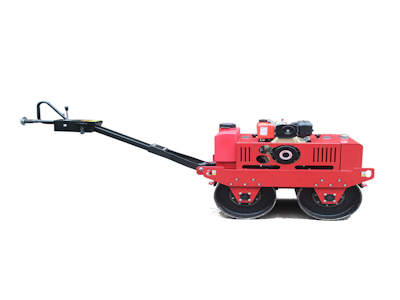
В современном строительстве долговечность зданий является одним из ключевых приоритетов. Она зависит от множества факторов, начиная от качества материалов и заканчивая технологиями строительства. Однако, часто недооценивается роль уплотнительных машин, которые играют решающую роль в подготовке грунта и обеспечении стабильности фундамента. В этой статье мы подробно рассмотрим, почему уплотнительные машины так важны для долговечности зданий, охватывая их принципы работы, типы, преимущества и практические аспекты использования. Мы также дадим советы по выбору подходящего оборудования и поделимся инсайтами от экспертов в области строительства.
Уплотнительные машины — это специализированное оборудование, используемое в строительстве для увеличения плотности грунта или других сыпучих материалов. Этот процесс, известный как уплотнение, необходим для создания прочного основания под фундамент зданий, дорог, аэродромов и других сооружений. Без надлежащего уплотнения грунт может оседать, что приводит к трещинам в стенах, неравномерной усадке и, в конечном итоге, к снижению срока службы здания. Уплотнительные машины применяют механическое усилие, такое как вибрация, статическое давление или удар, чтобы уменьшить пустоты в материале и повысить его несущую способность.
История уплотнительных машин насчитывает десятилетия. Ранние методы уплотнения включали ручной труд, например, использование катков или трамбовок, но с развитием технологий появились механизированные решения. Сегодня уплотнительные машины представлены широким спектром моделей, от небольших ручных устройств до крупных самоходных катков. Их эволюция была driven by необходимостью повысить эффективность и точность в строительных проектах, особенно в условиях растущих требований к безопасности и долговечности инфраструктуры.
Важность уплотнительных машин нельзя переоценить. Они не только экономят время и трудозатраты, но и обеспечивают consistent качество уплотнения, которое напрямую влияет на структурную целостность зданий. В регионах с нестабильными грунтами, такими как глины или песчаные почвы, уплотнение становится критически важным этапом строительства. Например, в сейсмически активных зонах proper уплотнение грунта может significantly reduce риск повреждений от землетрясений. Таким образом, инвестиции в качественные уплотнительные машины окупаются многократно за счет увеличения срока службы сооружений и снижения затрат на ремонт.
Уплотнительные машины работают на основе fundamental принципов механики грунтов. Грунт состоит из частиц разного размера, между которыми находятся пустоты, заполненные воздухом или водой. Цель уплотнения — уменьшить объем этих пустот, thereby increasing плотность и прочность материала. Это достигается за счет приложения external сил, которые перераспределяют частицы и вытесняют воздух или воду.
Основные типы усилий, применяемых уплотнительными машинами, включают: статическое давление, вибрацию, и удар. Статическое давление involves приложение constant force, как в случае с гладковальцовыми катками, которые simply катятся по поверхности, сжимая грунт. Вибрация — это oscillatory force, generated by vibrating mechanisms within the machine; она эффективна для granular материалов, таких как песок, так как вибрация помогает частицам rearranged into a denser configuration. Ударное уплотнение uses repeated impacts, например, в трамбовках или плитных вибраторах, которые deliver high-energy blows to compact the soil quickly.
Процесс уплотнения также зависит от свойств грунта, таких как влажность, гранулометрический состав и начальная плотность. Optimal влажность is crucial: too dry soil may not compact well, while too wet soil can become unstable. Уплотнительные машины often equipped with sensors and controls to monitor parameters like density and moisture in real-time, allowing for adjustments during operation. Modern machines may use GPS and IoT technologies for precision compaction, ensuring that every area is treated uniformly. This technological advancement has revolutionized construction, making it possible to achieve high levels of compaction with minimal human error.
In practice, the compaction process typically involves multiple passes over the same area to achieve the desired density. The number of passes depends on factors like the type of machine, soil conditions, and project specifications. For instance, a vibratory roller might require fewer passes on sandy soil compared to clayey soil. Understanding these principles is essential for operators to maximize efficiency and effectiveness. Training and certification programs are available to ensure that personnel can operate these machines safely and proficiently, further enhancing the longevity of buildings through proper compaction.
Уплотнительные машины come in various types, each designed for specific applications and soil conditions. The choice of machine depends on factors such as the size of the project, the type of material to be compacted, and accessibility constraints. Common types include vibratory rollers, plate compactors, rammers, and sheepfoot rollers.
Vibratory rollers are among the most popular types, used for compacting large areas like road bases and embankments. They feature a drum that vibrates at high frequencies, effectively reducing air voids in granular soils. These rollers can be further classified into single-drum and double-drum variants, with the latter providing better stability and compaction efficiency. For example, in highway construction, double-drum vibratory rollers are often preferred for their ability to achieve uniform density across wide surfaces.
Plate compactors, also known as vibratory plates, are smaller machines ideal for confined spaces such as trenches or around foundations. They use a vibrating plate to compact soil, asphalt, or other materials. These are commonly used in residential construction for compacting backfill around house foundations, ensuring that the soil is stable and less prone to settlement. Rammers, or jumping jacks, deliver impact force and are suited for cohesive soils like clay, where vibration might not be as effective. They work by lifting and dropping a heavy foot onto the soil, compacting it through repeated impacts.
Sheepfoot rollers feature protrusions on the drum that penetrate the soil, making them excellent for compacting cohesive materials in layers. They are often used in earth dam construction or for compacting landfill sites. Additionally, there are specialized machines like trench rollers for narrow excavations and pneumatic tired rollers for finishing surfaces on asphalt projects. The diversity of these machines allows contractors to select the right tool for the job, ultimately contributing to the durability of buildings by ensuring that the subgrade is properly prepared. Innovations continue to emerge, such as electric and hybrid models that reduce emissions and noise, aligning with sustainable construction practices.
Использование уплотнительных машин offers numerous advantages that directly contribute to the longevity of buildings. Firstly, they enhance the load-bearing capacity of the soil, which is critical for supporting the weight of structures. Properly compacted soil reduces the risk of settlement, which can cause cracks in walls, floors, and foundations. This is particularly important in areas with weak or expansive soils, where uneven settlement can lead to significant structural damage over time.
Secondly, уплотнительные машины improve efficiency and reduce labor costs. Manual compaction methods are time-consuming and less effective, whereas machines can cover large areas quickly and consistently. For instance, a vibratory roller can compact a road base in a fraction of the time it would take with hand tools, allowing projects to stay on schedule and within budget. This efficiency translates to cost savings for developers and owners, as delays and rework are minimized.
Thirdly, these machines ensure uniformity in compaction, which is vital for structural integrity. Inconsistent compaction can create weak spots that are prone to failure under load. Modern уплотнительные машины are equipped with technology to monitor compaction in real-time, providing data that helps operators achieve the desired density throughout the project. This level of precision was unimaginable in the past and has become a standard in high-quality construction.
Moreover, уплотнительные машины contribute to safety by reducing the risk of accidents related to soil instability. For example, properly compacted embankments are less likely to slide or collapse during construction or under adverse weather conditions. They also support environmental sustainability by minimizing the need for additional materials or repairs, thus reducing waste and resource consumption. Overall, the benefits of using уплотнительные машины extend beyond immediate construction phases to the long-term durability and safety of buildings, making them an indispensable tool in the construction industry.
Выбор правильной уплотнительной машины is crucial for achieving optimal results in construction projects. Start by assessing the soil type and project requirements. For granular soils, vibratory rollers or plate compactors are effective, while for cohesive soils, rammers or sheepfoot rollers may be better. Consider the size of the area: large projects benefit from self-propelled rollers, whereas small or confined spaces might require walk-behind models like plate compactors.
It's also important to evaluate the machine's features, such as vibration frequency, amplitude, and weight. Higher frequency and amplitude generally provide better compaction for certain soils. Look for machines with advanced controls, like variable speed and automatic shut-off, which enhance ease of use and safety. Additionally, consider fuel efficiency and emissions, especially with growing emphasis on green construction. Electric or hybrid models can be a good choice for indoor projects or environmentally sensitive areas.
When using уплотнительные машины, follow best practices to ensure effectiveness. Always conduct a soil test to determine moisture content and optimal compaction parameters. Make multiple passes over the area, but avoid over-compaction, which can damage the soil structure. Use protective gear and train operators thoroughly to prevent accidents. Regular maintenance is key to keeping machines in good condition; check for wear on parts like drums or plates and replace them as needed.
Lastly, leverage technology such as GPS-guided compaction systems that provide real-time feedback on density measurements. This can help achieve consistent results and document compliance with project specifications. By carefully selecting and properly using уплотнительные машины, contractors can significantly enhance the durability of buildings, reduce costs, and improve overall project outcomes. Remember, investing in quality equipment and training pays off in the long run through reduced maintenance and extended lifespan of structures.
В заключение, уплотнительные машины играют pivotal роль в обеспечении долговечности зданий. Они transform unstable грунт into a solid foundation, capable of supporting structures for decades. Through principles like vibration, impact, and pressure, these machines eliminate voids and increase soil density, preventing settlement and structural failures. The variety of machines available allows for tailored solutions to different project needs, from large-scale infrastructure to residential builds.
The advantages of using уплотнительные машины are clear: improved efficiency, cost savings, enhanced safety, and environmental benefits. By following practical tips for selection and use, construction professionals can maximize these benefits. As technology advances, we can expect even smarter machines that further optimize compaction processes.
Ultimately, the importance of уплотнительные машины cannot be overstated. They are not just tools but guardians of building longevity, ensuring that our homes, offices, and infrastructure stand the test of time. Investing in them is an investment in sustainability and safety for future generations. So, next time you embark on a construction project, remember that proper compaction with the right machine is the first step toward a durable and reliable building.
Предыдущая статья: Интуитивное управление уплотнительной техникой без сложностей
Следующий пост: Гибкий визибрационный ролик революция в уходе за кожей
Ningbo Feihu Machinery Co., Ltd.
Контактные лица:Shawn
Телефон:1388xx888xx / 1388xx888xx
Адрес:Beside Provincial Road, Yushantou, Dongqiao Town, Ningbo, Zhejiang, China
Ningbo Feihu Machinery Co., Ltd.
Контактные лица:Shawn
Телефон:1388xx888xx / 1388xx888xx
Адрес:Beside Provincial Road, Yushantou, Dongqiao Town, Ningbo, Zhejiang, China