

1388xx888xx
1388xx888xx@gmail.com

2025-12-15 04:01:11
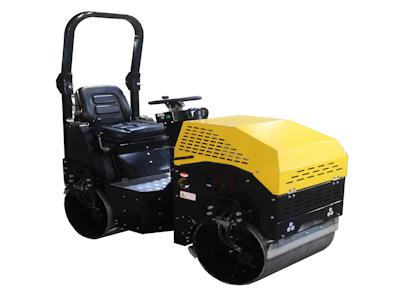
В современной строительной индустрии уплотнительная техника играет ключевую роль, обеспечивая необходимую плотность и устойчивость грунтов, асфальтовых покрытий и других материалов. Повышение производительности этой техники не только сокращает сроки выполнения проектов, но и снижает операционные затраты, минимизирует воздействие на окружающую среду и повышает общую эффективность строительных работ. В этой статье мы подробно рассмотрим факторы, влияющие на производительность уплотнительной техники, и предложим практические рекомендации по её оптимизации, от выбора оборудования до внедрения передовых технологий.
Уплотнительная техника, включая виброкатки, статические катки, трамбовки и пластинчатые уплотнители, предназначена для увеличения плотности материалов путём удаления воздушных пустот. Это критически важно для создания прочных фундаментов, дорожных покрытий и других инфраструктурных элементов. Производительность такой техники измеряется в терминах объёма уплотнённого материала за единицу времени, что зависит от множества факторов, таких как тип оборудования, условия работы, свойства материалов и навыки оператора. Например, виброкатки эффективны для уплотнения granular materials like soil and gravel, while static rollers are better suited for asphalt surfaces. Understanding these basics is the first step toward optimization, as it allows for informed decision-making in equipment selection and operation.
Исторически, уплотнительная техника эволюционировала от простых ручных инструментов до сложных машин с компьютерным управлением. Ранние методы, такие как использование животных или человеческой силы для уплотнения, были медленными и менее эффективными. С развитием технологий, в начале 20 века появились механические катки, которые значительно повысили производительность. Сегодня, с интеграцией IoT (Internet of Things) и AI (искусственного интеллекта), уплотнительная техника стала умнее, способной адаптироваться к реальным условиям и предоставлять данные в реальном времени для анализа. Это не только улучшает производительность, но и снижает риски ошибок, связанных с человеческим фактором.
Роль уплотнительной техники в строительстве невозможно переоценить. Неправильное уплотнение может привести к серьёзным проблемам, таким as settlement, cracking, or even structural failure. For instance, in road construction, inadequate compaction of subgrade soil can result in premature pavement deterioration, requiring costly repairs. Therefore, investing in high-performance compaction equipment is not just about efficiency; it's about ensuring long-term durability and safety of infrastructure projects. By focusing on productivity enhancements, companies can achieve better ROI (return on investment) and maintain a competitive edge in the market.
Производительность уплотнительной техники определяется рядом взаимосвязанных факторов, которые можно broadly categorize into equipment-related, operational, and environmental aspects. Equipment factors include the type of machine (e.g., vibratory vs. static roller), its size, weight, amplitude and frequency of vibration (for vibratory equipment), and overall condition. For example, a heavier roller can achieve higher compaction with fewer passes, but it may be less maneuverable in tight spaces. Operational factors involve the speed of operation, number of passes, and operator skill. An experienced operator can optimize the process by adjusting parameters based on real-time feedback, whereas a novice might under- or over-compact, leading to inefficiencies.
Environmental factors, such as soil type, moisture content, and weather conditions, также играют crucial role. Different soils require different compaction approaches; for instance, cohesive soils like clay need slower, more deliberate compaction compared to granular soils. Moisture content is critical—too dry or too wet soil can resist compaction, reducing productivity. Weather conditions like rain or extreme heat can affect material properties and machine performance. Additionally, site-specific challenges, such as uneven terrain or limited access, can impede productivity. Understanding these factors allows for proactive planning, such as scheduling work during optimal weather or pre-treating materials to achieve ideal moisture levels.
Technological advancements have introduced new variables into the productivity equation. Modern compaction equipment often features GPS guidance, automated control systems, and sensors that monitor compaction in real-time. These technologies can significantly boost productivity by ensuring consistent quality and reducing the need for rework. However, they also require investment in training and infrastructure. For instance, implementing telematics systems for fleet management can provide insights into machine utilization and maintenance needs, but it demands initial setup costs and ongoing data analysis. Balancing these factors is key to maximizing productivity without compromising on quality or budget.
Выбор уплотнительной техники - это фундаментальный шаг в обеспечении высокой производительности. Различные типы equipment are designed for specific applications, and selecting the wrong one can lead to subpar results and increased costs. For soil compaction, vibratory rollers are generally preferred due to their ability to achieve high density quickly. Within this category, choices include single-drum rollers for large areas and double-drum rollers for better stability. For asphalt compaction, static rollers or vibratory rollers with high frequency are ideal to avoid damaging the surface. Additionally, smaller equipment like plate compactors or rammers are suitable for confined spaces or trenches.
При выборе equipment, consider factors such as project scale, material type, and available budget. Larger projects with extensive areas may benefit from high-capacity rollers that cover more ground per pass, reducing overall time. For example, a 10-ton vibratory roller can compact soil faster than a 5-ton model, but it may not be practical for small sites. Material properties also dictate choice; cohesive soils require equipment with higher amplitude vibrations to break down particles, while granular soils respond better to higher frequency. Budget constraints might lead to renting versus buying decisions, but it's important to weigh long-term productivity gains against initial costs. Leasing or renting can provide access to newer, more efficient models without large capital outlay.
Innovations in equipment design have led to more productive options. Hybrid and electric compactors are emerging as sustainable alternatives that reduce fuel consumption and emissions, while maintaining performance. For instance, electric vibratory plates offer quiet operation and zero emissions, ideal for urban environments. Additionally, attachments like compaction meters or intelligent compaction systems can be added to existing equipment to enhance productivity. These systems use sensors to measure compaction effort and provide feedback, allowing operators to adjust in real-time. When selecting equipment, also evaluate manufacturer support, warranty, and availability of spare parts, as downtime due to maintenance can severely impact productivity. Conducting trials or consulting with experts can help in making informed decisions that align with specific project needs.
Операционные процессы играют vital role in maximizing the productivity of compaction equipment. This involves planning the work sequence, training operators, and implementing best practices. Start with a detailed site assessment to identify potential obstacles and plan the compaction pattern. For example, using a systematic pass pattern, such as overlapping passes by 50%, ensures uniform compaction and avoids missed spots. The number of passes should be optimized based on material type and equipment capabilities; too few passes may leave areas under-compacted, while too many waste time and fuel.
Operator training is crucial for productivity. Skilled operators can make real-time adjustments to speed, vibration settings, and pass count based on visual and sensory feedback. Training should cover not only machine operation but also understanding soil mechanics and compaction principles. For instance, operators should know how to recognize over-compaction, which can cause material degradation. Implementing regular briefings and feedback sessions can foster a culture of continuous improvement. Additionally, using technology like GPS-guided systems can assist operators by providing automated guidance, reducing the cognitive load and minimizing errors. This is particularly useful in large-scale projects where precision is key.
Efficient logistics and coordination with other construction activities can further enhance productivity. For example, synchronizing compaction with material delivery avoids idle time. Maintaining a clean and organized worksite reduces delays caused by obstacles. Also, consider implementing shift work or extended hours during favorable weather conditions to maximize output. Monitoring productivity through key performance indicators (KPIs), such as cubic meters compacted per hour or fuel consumption per unit area, helps identify areas for improvement. Use data from telematics systems to track machine usage and schedule maintenance proactively, preventing breakdowns that disrupt workflow. By optimizing these operational aspects, companies can achieve significant productivity gains without necessarily investing in new equipment.
Регулярное техническое обслуживание is essential for sustaining high productivity of compaction equipment. Neglected maintenance can lead to breakdowns, reduced efficiency, and increased operating costs. Develop a preventive maintenance schedule based on manufacturer recommendations and usage patterns. This includes daily checks like inspecting for leaks, checking fluid levels (oil, hydraulic fluid, coolant), and ensuring tires or drums are in good condition. Weekly or monthly maintenance might involve lubricating moving parts, cleaning air filters, and inspecting vibration systems for wear.
Common maintenance tasks specific to compaction equipment include monitoring the vibration mechanism, as failures here can drastically reduce performance. For vibratory rollers, check the eccentric weights and bearings regularly. Also, pay attention to the drum surface; wear or damage can affect compaction quality and require early replacement. Keep records of maintenance activities to track trends and anticipate future needs. Using diagnostic tools, such as onboard computers or external sensors, can provide early warnings of potential issues, allowing for timely repairs before they escalate into major problems.
Beyond routine maintenance, consider upgrades or retrofits to improve productivity. For older equipment, adding modern sensors or control systems can enhance performance without the cost of a new machine. For example, installing a compaction meter allows real-time monitoring of density, reducing the need for manual testing. Also, ensure that maintenance personnel are trained on the specific equipment models used; this reduces downtime during repairs. Partnering with reliable service providers or having in-house expertise can streamline maintenance processes. Additionally, proper storage and transport of equipment protect it from environmental damage, extending its lifespan and maintaining productivity. Investing in maintenance not only prevents costly downtime but also ensures that the equipment operates at peak efficiency, contributing to overall project success.
Технологические инновации revolutionize productivity in compaction equipment. The integration of IoT, AI, and automation is transforming how compaction is performed. Smart compaction systems use sensors to measure parameters like stiffness and density in real-time, providing instant feedback to operators. This data can be uploaded to cloud platforms for analysis, allowing project managers to monitor progress remotely and make data-driven decisions. For example, systems like Bomag's BCM05 or Caterpillar's Compaction Control use GPS and accelerometers to create maps of compacted areas, highlighting zones that need additional passes.
Automation and autonomy are the next frontiers. Semi-autonomous or fully autonomous compactors can operate with minimal human intervention, increasing productivity by working continuously without breaks. These machines use algorithms to optimize pass patterns and adjust settings based on material conditions. While still emerging, such technologies promise significant gains in efficiency, especially for repetitive tasks on large sites. Additionally, electric and hybrid engines reduce fuel costs and environmental impact, aligning with sustainability goals. For instance, electric compactors produce less noise and emissions, making them suitable for urban projects with strict regulations.
To implement these innovations, start with pilot projects to assess feasibility and ROI. Train staff on new technologies to ensure smooth adoption. Collaborate with manufacturers and technology providers to customize solutions for specific needs. The initial investment may be high, but the long-term benefits in productivity, quality, and cost savings are substantial. Moreover, staying abreast of industry trends and participating in forums or exhibitions can provide insights into upcoming technologies. As the construction industry moves towards digitalization, embracing these innovations will be key to maintaining a competitive edge and achieving higher productivity in compaction operations.
Рассмотрение реальных примеров помогает иллюстрировать принципы повышения производительности. Например, в крупном дорожном проекте в России, использование высокочастотных виброкатков с системами intelligent compaction позволило сократить время уплотнения на 20% по сравнению с традиционными методами. Операторы получали данные в реальном времени о плотности грунта, что минимизировало необходимость повторных проходов и снизило затраты на топливо. Этот проект также highlighted the importance of operator training; teams that underwent specialized training on the new technology achieved better results faster.
Другой пример - строительство аэропорта, где uneven terrain and tight deadlines demanded high productivity. By selecting appropriate equipment (e.g., towed compactors for large areas and small plate compactors for edges) and implementing a detailed compaction plan, the project team completed the work ahead of schedule. Regular maintenance checks prevented downtime, and the use of telematics for fleet management optimized machine utilization. These case studies show that a holistic approach, combining equipment choice, operational planning, and technology, leads to significant productivity improvements.
Из этих примеров можно извлечь уроки: инвестиции в современные технологии и обучение окупаются за счёт повышения эффективности. Компании, которые proactively adopt best practices and innovate, tend to outperform competitors. Additionally, sharing experiences through industry networks can foster collective learning and drive industry-wide improvements in compaction productivity.
Повышение производительности уплотнительной техники требует multidimensional strategy. Start by understanding the fundamentals of compaction and the factors affecting productivity. Choose the right equipment for your specific needs, considering project scale, material type, and budget. Optimize operational processes through careful planning, operator training, and efficient logistics. Prioritize regular maintenance to keep equipment in top condition and minimize downtime. Embrace technological innovations like smart compaction and automation to stay ahead of the curve.
Долгосрочный успех зависит от continuous improvement and adaptation. Monitor performance metrics, learn from case studies, and invest in research and development. By doing so, you can achieve higher productivity, reduce costs, and contribute to the sustainability of construction projects. Remember, productivity is not just about doing things faster; it's about doing them smarter, with quality and efficiency in mind.
В заключение, уплотнительная техника будет continue to evolve, and those who leverage these strategies will reap the benefits of enhanced performance and competitive advantage in the dynamic construction industry.
Предыдущая статья: Многофункциональный вибрационный каток универсальное решение для строительства
Следующий пост: Экологичный виброкаток революция в дорожном строительстве
Ningbo Feihu Machinery Co., Ltd.
Контактные лица:Shawn
Телефон:1388xx888xx / 1388xx888xx
Адрес:Beside Provincial Road, Yushantou, Dongqiao Town, Ningbo, Zhejiang, China
Ningbo Feihu Machinery Co., Ltd.
Контактные лица:Shawn
Телефон:1388xx888xx / 1388xx888xx
Адрес:Beside Provincial Road, Yushantou, Dongqiao Town, Ningbo, Zhejiang, China