

1388xx888xx
1388xx888xx@gmail.com

2025-12-16 08:01:10
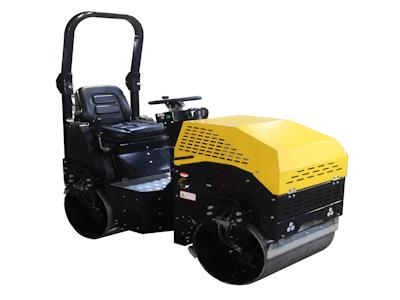
В современной промышленности уплотняющее оборудование играет ключевую роль, обеспечивая надежность и эффективность в различных процессах, таких как упаковка, герметизация и транспортировка материалов. Однако для многих новичков и даже опытных специалистов работа с таким оборудованием может показаться сложной и требующей значительного времени на освоение. Эта статья призвана устранить эти барьеры, предлагая упрощенные методы, которые позволят быстро стартовать и повысить производительность. Мы рассмотрим основы выбора, настройки, эксплуатации и обслуживания уплотняющего оборудования, с акцентом на практические советы и реальные примеры. К концу статьи вы будете обладать знаниями, необходимыми для уверенной работы с этим типом техники, независимо от вашего уровня опыта.
Уплотняющее оборудование включает в себя широкий спектр устройств, предназначенных для создания герметичных соединений или уплотнений в различных промышленных и бытовых приложениях. Это может быть оборудование для упаковки продуктов, герметизации труб, или даже специализированные машины для обработки материалов. Основная цель такого оборудования — предотвратить утечки, обеспечить защиту от внешних воздействий и повысить общую эффективность процессов. Например, в пищевой промышленности уплотняющие машины используются для вакуумной упаковки продуктов, что продлевает их срок годности и сохраняет свежесть. В строительстве уплотняющее оборудование применяется для герметизации швов и стыков, обеспечивая долговечность конструкций.
Исторически, уплотняющие технологии развивались вместе с промышленной революцией. Первые простые устройства, такие как ручные прессы или механические уплотнители, постепенно эволюционировали в сложные автоматизированные системы. Сегодня, с advancements в области электроники и робототехники, уплотняющее оборудование стало более интеллектуальным и easy-to-use, но все еще требует определенных знаний для оптимальной эксплуатации. Понимание основных принципов работы, таких как давление, температура и материал уплотнения, является фундаментальным для быстрого старта. В следующих разделах мы углубимся в детали, начиная с выбора подходящего оборудования.
Правильный выбор оборудования — это первый и самый важный шаг к успешной работе. Неподходящее устройство может lead к низкой эффективности, частым поломкам и increased costs. Для быстрого старта рекомендуется начинать с простых и универсальных моделей, которые easy to learn and maintain. Критерии выбора включают тип application (e.g., упаковка, герметизация), required capacity, budget, and available space. Например, для small-scale operations, portable hand-held sealers might be ideal, while for large industrial settings, automated systems with conveyor belts are more appropriate.
Современный рынок предлагает множество options, from basic thermal sealers to advanced ultrasonic or induction sealers. Thermal sealers use heat to melt and bond materials, commonly used in plastic packaging. They are relatively inexpensive and easy to operate, making them perfect for beginners. Ultrasonic sealers utilize high-frequency vibrations to create seals without heat, suitable for sensitive materials. Induction sealers use electromagnetic fields to seal caps on containers, often seen in pharmaceutical and food industries. When choosing, consider factors like material compatibility (e.g., plastics, metals), production speed, and energy efficiency. Reading user manuals and consulting with suppliers can provide valuable insights. Additionally, look for equipment with user-friendly interfaces and good customer support to facilitate quick learning.
Another aspect to consider is scalability. If you anticipate growth in your operations, invest in equipment that can be upgraded or integrated with other systems. For instance, modular sealers allow for easy expansion by adding more units or accessories. Also, evaluate the total cost of ownership, including purchase price, maintenance, and operating costs. Sometimes, a slightly more expensive model with lower maintenance needs can be more cost-effective in the long run. To make an informed decision, visit trade shows, read reviews, and if possible, test the equipment before purchase. This hands-on approach will help you gain confidence and reduce the learning curve.
Once you have selected the right equipment, the next step is proper setup and calibration. Incorrect settings can result in poor seals, waste of materials, and even equipment damage. For quick start, follow the manufacturer's instructions carefully. Most modern sealers come with digital controls that simplify the process. Start with default settings and make adjustments based on your specific needs. Key parameters to adjust include temperature, pressure, and dwell time (the time the seal is applied).
For thermal sealers, temperature is critical. Too low, and the seal won't form properly; too high, and it might burn the material. Use a thermometer or built-in sensors to monitor and adjust the temperature. Pressure settings depend on the material thickness and type. Soft materials require less pressure, while harder ones need more. Dwell time should be set to ensure complete bonding without overheating. Many machines have preset programs for common materials, which can be a great starting point for beginners. For example, if sealing polyethylene bags, select the "polyethylene" mode on the control panel.
Calibration is essential for maintaining accuracy over time. Regularly check and calibrate sensors and controls according to the manufacturer's schedule. This might involve using calibration tools or software. Keep a log of settings and adjustments for future reference. If you encounter issues, don't hesitate to reset to factory defaults and start over. Practice on scrap materials before moving to actual production to avoid mistakes. This iterative process will help you develop an intuitive understanding of how settings affect the outcome, enabling faster troubleshooting and optimization.
Operating уплотняющее оборудование efficiently requires a combination of knowledge and hands-on skills. For quick start, focus on developing good habits from the beginning. Always wear appropriate safety gear, such as gloves and eye protection, especially when working with heat or moving parts. Start the machine according to the startup procedure, which typically involves powering on, allowing it to warm up (if thermal), and loading materials correctly.
When operating, maintain a consistent workflow. For instance, in a packaging line, ensure that products are properly aligned before sealing to avoid mis seals. Use guides or jigs if available to position materials accurately. Monitor the equipment during operation for any signs of malfunction, such as unusual noises or inconsistent seals. If something seems off, stop immediately and investigate. Common issues include uneven heating, which can be caused by dirty sealing elements or uneven pressure application. Clean the sealing surfaces regularly with approved cleaners to prevent buildup that affects performance.
To enhance productivity, learn to work at an optimal pace. Rushing can lead to errors, while being too slow reduces output. Find a rhythm that balances speed and quality. For automated equipment, program sequences that minimize downtime between cycles. Utilize features like automatic feed or ejection if available. Keep a maintenance kit handy with spare parts like sealing wires or gaskets for quick replacements. Document any problems and solutions in a notebook or digital log. This not only aids in quick fixes but also builds a knowledge base for future reference. Over time, you'll be able to operate the equipment almost instinctively, significantly reducing the time needed for each task.
Regular maintenance is key to ensuring long-term reliability and minimizing downtime. For quick start, establish a simple maintenance routine from day one. This includes daily tasks like cleaning, weekly checks of moving parts, and monthly inspections of electrical components. Refer to the equipment manual for specific maintenance schedules and procedures. Lubricate moving parts as recommended to prevent wear and tear. Check for loose bolts or connections and tighten them promptly.
Troubleshooting common issues can save time and prevent major problems. Start by identifying the symptom, such as a weak seal or machine not starting. Use a systematic approach: first, check power supply and connections, then inspect for obvious damages or obstructions. For thermal sealers, if seals are not forming, verify temperature settings and clean the heating element. If the machine overheats, ensure adequate ventilation and check for blocked air vents. Many modern equipments have diagnostic modes or error codes that can pinpoint issues. For example, an error code "E1" might indicate a temperature sensor fault.
Keep a list of common problems and their solutions. For instance, if the seal is uneven, it might be due to misaligned pressure plates – adjust them according to the manual. If the equipment is noisy, it could be a sign of worn bearings needing replacement. Don't attempt complex repairs without proper training; instead, contact technical support or a qualified technician. However, learning basic repairs, like replacing a fuse or a seal bar, can be done quickly with guidance. Regularly update software if applicable, as updates often include bug fixes and performance improvements. By staying proactive with maintenance, you'll reduce the frequency of breakdowns and extend the equipment's lifespan, making your startup phase smoother and more efficient.
Once you are comfortable with basic operations, you can focus on optimizing efficiency and exploring advanced features. This involves fine-tuning settings for maximum output and quality. Use data from production runs to identify bottlenecks. For example, if sealing speed is limiting overall throughput, consider upgrading to a faster model or optimizing the process flow. Implement quality control checks to ensure seals meet standards, reducing rework and waste.
Leverage technology to enhance capabilities. Many sealers can be integrated with IoT devices for remote monitoring and control. This allows you to track performance metrics like energy consumption and production rates in real-time, enabling data-driven decisions. Advanced models might offer features like programmable logic controllers (PLCs) for custom sequences or automation with robotics. If your budget allows, invest in training for these advanced aspects to fully utilize the equipment's potential.
Network with other users or join online forums to share tips and learn from others' experiences. Attend workshops or webinars offered by manufacturers to stay updated on new techniques and technologies. Experiment with different materials or applications to expand your skill set. For instance, try sealing unconventional materials under controlled conditions to see how the equipment performs. This not only builds confidence but also opens up new opportunities for innovation. Remember, the goal is continuous improvement. Set small, achievable goals for efficiency gains, such as reducing seal time by 10% or decreasing material waste. Celebrate these milestones to stay motivated. Over time, you'll transition from a beginner to an expert, capable of handling complex scenarios with ease.
В заключение, освоение уплотняющего оборудования doesn't have to be daunting. By following the simplified methods outlined in this article – from careful selection and setup to practical operation and maintenance – you can achieve a quick and successful start. Remember to start small, practice regularly, and seek help when needed. The key is to build a solid foundation of knowledge and skills that will serve you well in the long run.
As you progress, consider exploring more advanced topics, such as automation integration or specialized applications. Keep learning and adapting to new technologies. The field of уплотняющее оборудование is constantly evolving, with innovations aimed at making processes even easier and more efficient. Stay curious and proactive, and you'll find that working with this equipment becomes second nature.
For further learning, refer to resources like manufacturer websites, industry publications, and training courses. Don't hesitate to reach out to professionals or communities for advice. With dedication and the right approach, you'll not only master the basics but also excel in utilizing уплотняющее оборудование to its fullest potential, driving productivity and success in your endeavors.
Предыдущая статья: Как сжатие сил формирует нашу повседневную реальность и будущее
Следующий пост: Адаптивный вибрирующий ролик революция в фитнесе
Ningbo Feihu Machinery Co., Ltd.
Контактные лица:Shawn
Телефон:1388xx888xx / 1388xx888xx
Адрес:Beside Provincial Road, Yushantou, Dongqiao Town, Ningbo, Zhejiang, China
Ningbo Feihu Machinery Co., Ltd.
Контактные лица:Shawn
Телефон:1388xx888xx / 1388xx888xx
Адрес:Beside Provincial Road, Yushantou, Dongqiao Town, Ningbo, Zhejiang, China