

1388xx888xx
1388xx888xx@gmail.com

2025-12-17 00:01:10
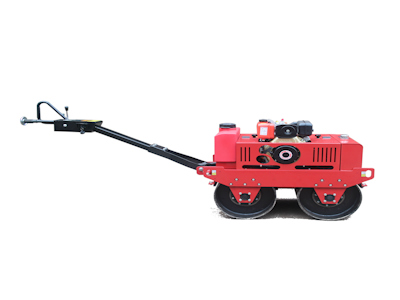
В современном строительстве эффективное уплотнение грунта играет ключевую роль для обеспечения долговечности и стабильности конструкций. Но как достичь идеального результата без больших затрат? Эта статья отвечает на самые важные вопросы о низкозатратных виброкатках, раскрывая их преимущества, принципы работы и практическое применение. Мы рассмотрим, почему эта техника становится все популярнее, и как она может помочь вам сэкономить ресурсы и время.
Что именно подразумевается под "низкозатратной" виброкаткой?
Низкозаштатная виброкатка — это специальное оборудование, предназначенное для уплотнения грунта с минимальными финансовыми вложениями в приобретение, эксплуатацию и обслуживание. В отличие от традиционных тяжелых катков, которые могут стоить десятки тысяч долларов, низкозатратные модели часто разрабатываются с использованием экономичных материалов и упрощенных конструкций, что снижает первоначальную стоимость. Например, некоторые модели используют стандартные двигатели и компоненты, которые легко заменяются, уменьшая затраты на запчасти. Кроме того, они проектируются для работы с меньшим расходом топлива или даже с электрическими приводами, что сокращает эксплуатационные расходы. Принцип работы основан на вибрации: каток оснащен вибрационным механизмом, который создает высокочастотные колебания, передаваемые на грунт. Это позволяет эффективно уплотнять почву, уменьшая ее поровое пространство и увеличивая плотность, без необходимости в мощных и дорогих двигателях. Таким образом, низкозатратная виброкатка сочетает в себе доступность и высокую производительность, делая ее идеальным выбором для малых и средних проектов, где бюджет ограничен.
Как вибрация помогает в уплотнении грунта?
Вибрация является ключевым элементом в процессе уплотнения, так как она позволяет достичь более равномерного и глубокого сжатия грунта по сравнению со статическими методами. Когда виброкатка движется по поверхности, вибрационный механизм генерирует колебания, которые передаются вглубь почвы. Эти колебания заставляют частицы грунта перемещаться и перераспределяться, заполняя пустоты и увеличивая плотность. Эффект вибрации особенно важен для Cohesive soils, таких как глина или ил, где традиционные методы могут быть менее эффективными. Вибрация снижает трение между частицами, облегчая их уплотнение, и позволяет достичь требуемых показателей плотности с меньшим количеством проходов. Это не только экономит время, но и снижает износ оборудования. Исследования показывают, что вибрационное уплотнение может повысить плотность грунта на 10-15% по сравнению со статическими катками, что напрямую влияет на прочность основания и долговечность конструкции. Таким образом, низкозатратная виброкатка использует этот принцип для обеспечения качественного уплотнения без необходимости в дорогостоящих мощных системах.
Какие основные преимущества низкозатратных виброкаток по сравнению с другими типами уплотнительной техники?
Низкозатратные виброкатки предлагают ряд преимуществ, которые делают их привлекательными для широкого круга пользователей. Во-первых, экономическая выгода: они значительно дешевле в покупке и эксплуатации. Например, стоимость аренды или покупки такой катки может быть на 30-50% ниже, чем у аналогов с большей мощностью. Это особенно важно для небольших строительных фирм или частных проектов, где бюджет часто ограничен. Во-вторых, эффективность: благодаря вибрационной технологии, они обеспечивают быстрое и равномерное уплотнение, сокращая время работ. Это означает, что проекты могут быть завершены быстрее, что снижает общие затраты на рабочую силу и overhead. В-третьих, универсальность: низкозатратные виброкатки often designed to be compact and maneuverable, making them suitable for tight spaces or uneven terrain where larger equipment might struggle. Additionally, они часто имеют adjustable vibration settings, allowing operators to tailor the compaction process to specific soil types, from sandy to clayey soils. Another key advantage is environmental friendliness: many low-cost models are designed with reduced emissions and noise levels, complying with modern environmental standards. This not only helps in reducing the carbon footprint but also minimizes disturbances on urban sites. Lastly, ease of maintenance: simplified designs mean fewer parts that can fail, and components are often standardized and readily available, reducing downtime and repair costs. In summary, choosing a low-cost vibratory roller can lead to significant savings without compromising on quality, making it a smart investment for any compaction needs.
Есть ли недостатки у низкозатратных виброкаток, и как их mitigate?
Как и любое оборудование, низкозатратные виброкатки имеют некоторые limitations, но они can be effectively managed with proper planning and usage. One potential drawback is reduced capacity for very heavy or large-scale projects. For instance, if you're working on a massive infrastructure project like a highway, a low-cost roller might not provide the same level of compaction as a high-end model, potentially requiring more passes or additional equipment. To mitigate this, it's essential to carefully assess the project requirements beforehand and choose a model that matches the soil conditions and scale. Another issue could be durability: cheaper materials might lead to a shorter lifespan or more frequent repairs. However, this can be addressed by selecting models from reputable manufacturers that offer warranties and using the equipment within its specified limits. Regular maintenance, such as checking vibrations systems and lubricating parts, can also extend the life of the roller. Additionally, operator training is crucial; improper use can cause premature wear or inefficient compaction. By ensuring that operators are trained on the specific model and its features, you can maximize efficiency and avoid common pitfalls. In some cases, it might be beneficial to rent or lease a higher-capacity roller for particularly demanding tasks while using the low-cost option for routine work. Overall, while there are trade-offs, the advantages often outweigh the disadvantages when the equipment is used appropriately, and projects are well-planned.
Каковы ключевые шаги для эффективного использования виброкатки?
Чтобы добиться идеального уплотнения с низкозатратной виброкаткой, следуйте этим проверенным шагам. First, conduct a site assessment: before starting, evaluate the soil type, moisture content, and desired compaction level. Different soils require different approaches; for example, sandy soils compact better with vibration, while clayey soils may need controlled moisture. Use tools like a Proctor test to determine the optimum moisture content for compaction. Second, set up the roller: adjust the vibration frequency and amplitude according to the soil conditions. Most low-cost models have settings that can be tuned; start with lower settings and increase as needed based on the results. Third, plan the compaction pattern: work in overlapping passes to ensure even coverage. Typically, compact from the edges inward or in a systematic grid pattern to avoid missing spots. The number of passes depends on the soil; generally, 3-6 passes are sufficient for most applications, but monitor the density with a nuclear density gauge or sand cone test to confirm. Fourth, maintain consistent speed: operate the roller at a steady pace, usually between 2-5 km/h, to allow the vibrations to penetrate deeply. Avoid stopping abruptly or changing speed frequently, as this can cause uneven compaction. Fifth, check for proper maintenance: ensure the roller is in good condition before use, with adequate fuel, oil, and functional vibration systems. After use, clean the equipment to prevent soil buildup that could affect performance. By following these steps, you can maximize the efficiency of your low-cost vibratory roller and achieve compaction that meets industry standards, such as those set by organizations like ASTM or local building codes. Remember, practice and experience will help refine your technique over time.
Как контролировать качество уплотнения во время работы?
Контроль качества является vital для обеспечения that the compaction meets the required specifications. Start by using in-situ testing methods during the compaction process. Common tools include a nuclear density gauge, which provides immediate readings of soil density and moisture content. This allows you to adjust the number of passes or vibration settings on the fly if the density is not achieving targets. Alternatively, for a low-cost option, use a sand cone test or dynamic cone penetrometer, which are more affordable but may take longer to perform. It's recommended to test at regular intervals, such as after every few passes, and at different depths to ensure uniformity. Additionally, visual inspection can help; look for signs of proper compaction, such as a firm surface with no visible loose material or excessive deformation. If using the roller on layered fills, compact each layer separately and test between layers to prevent weak zones. Document the results, including the number of passes, vibration settings, and test outcomes, for quality assurance and future reference. If inconsistencies are found, recompact the area with additional passes or adjust the moisture content by adding water or allowing drying. Training operators to recognize these signs and use testing equipment properly is essential for maintaining high standards. By integrating quality control into the workflow, you can avoid rework and ensure that the compacted soil provides a stable foundation for construction, ultimately saving time and resources in the long run.
Какие новейшие технологии внедряются в low-cost vibratory rollers?
Индустрия постоянно развивается, и low-cost vibratory rollers are benefiting from several innovations that enhance their efficiency and affordability. One major trend is the integration of IoT and smart technology. For example, some modern low-cost models come equipped with sensors that monitor vibration levels, fuel consumption, and compaction efficiency in real-time. This data can be transmitted to a smartphone app, allowing operators to optimize performance and schedule maintenance proactively, reducing downtime and costs. Another innovation is the use of alternative power sources, such as electric or hybrid drives, which not only lower operating costs but also reduce emissions and noise, making them suitable for urban environments. Additionally, advancements in materials science have led to the development of lighter yet durable components, such as composite frames or improved vibration systems, that maintain performance while keeping costs down. Manufacturers are also focusing on user-friendly designs, with ergonomic controls and automated features that simplify operation, even for inexperienced users. For instance, some rollers now include GPS tracking for better project management and theft prevention. Looking ahead, we can expect further integration of AI for predictive maintenance and autonomous operation, where the roller could adjust its settings based on soil conditions automatically. These innovations are making low-cost vibratory rollers more accessible and effective, enabling even small businesses to achieve professional-grade compaction without the high investment. By staying updated on these trends, users can choose equipment that offers the best value and future-proofing for their needs.
Как выбрать подходящую низкозатратную виброкатку для specific project?
Выбор правильной виброкатки зависит от нескольких факторов, related to your project's specifics. Start by defining the scope: consider the size of the area to be compacted, the soil type, and the required compaction density. For small residential projects like driveways or garden paths, a compact, walk-behind vibratory roller might suffice, which is often the most affordable option. For larger areas such as parking lots or small foundations, a ride-on model would be more efficient. Next, evaluate the soil conditions: if you're dealing with cohesive soils like clay, look for a roller with higher amplitude vibrations, whereas for granular soils, frequency might be more important. Check the specifications of potential models, including vibration force, operating weight, and speed, to ensure they match your needs. Budget is obviously a key factor; compare prices from different manufacturers and consider both purchase cost and long-term operating expenses. Don't forget to read reviews and seek recommendations from other users to gauge reliability and performance. Additionally, consider availability of spare parts and service support in your region, as this can affect downtime and costs. If possible, test the equipment before buying or renting to see how it handles your specific site conditions. Finally, think about future projects: investing in a versatile model that can handle a variety of tasks might provide better value over time. By taking a systematic approach to selection, you can find a low-cost vibratory roller that delivers optimal results for your compaction requirements without overspending.
Можете ли вы привести реальные примеры, где низкозатратные виброкатки доказали свою эффективность?
Конечно, есть множество примеров из реальной жизни, демонстрирующих успешное использование low-cost vibratory rollers. Один яркий случай — это проект по благоустройству парка в городе среднего размера, где бюджет был ограничен. Команда использовала недорогую виброкатку для уплотнения грунта под пешеходными дорожками и игровыми площадками. Благодаря вибрационной технологии, они достигли требуемой плотности грунта с всего тремя проходами, в то время как традиционные методы потребовали бы больше времени и ресурсов. Это не только сэкономило около 20% затрат на оборудование, но и ускорило завершение проекта на неделю, позволив раньше открыть парк для общественности. Другой пример — строительство небольшого жилого комплекса, где подрядчик выбрал low-cost виброкатку для уплотнения foundation soils. После тестирования, плотность грунта соответствовала стандартам ASTM, и не было никаких проблем с осадкой после завершения строительства. В третьем случае, на сельскохозяйственном объекте, виброкатка использовалась для уплотнения почвы перед укладкой irrigation systems. Операторы отметили, что equipment was easy to operate and maintain, and the reduced fuel consumption led to significant cost savings over the season. These examples highlight how low-cost vibratory rollers can be just as effective as more expensive options when used correctly, providing reliable compaction for a variety of applications while keeping expenses low. They demonstrate that with proper planning and execution, even budget-friendly equipment can deliver professional results, making it a valuable tool in the construction and agriculture industries.
Какие уроки можно извлечь из этих case studies для будущих проектов?
Из этих примеров можно извлечь несколько ценных уроков для оптимизации использования low-cost vibratory rollers в future projects. Во-первых, emphasize the importance of pre-project planning: always conduct thorough soil testing and site analysis to choose the right equipment and settings. This upfront investment in time can prevent costly mistakes and rework later. Во-вторых, invest in operator training: even with affordable equipment, skilled operators are crucial for achieving optimal compaction. Provide training on how to use the vibration settings, interpret test results, and perform basic maintenance. This can enhance efficiency and extend the life of the roller. В-третьих, monitor and adapt: during the project, continuously check compaction quality and be willing to adjust the approach based on real-time data. For instance, if density tests show variations, don't hesitate to add extra passes or modify the vibration parameters. В-четвертых, consider the total cost of ownership: while the initial purchase price might be low, factor in maintenance, fuel, and potential downtime. Choosing a model from a reputable brand with good support can reduce long-term costs. Lastly, share experiences and learn from others: networking with other professionals or joining online forums can provide insights into best practices and common pitfalls. By applying these lessons, you can maximize the benefits of low-cost vibratory rollers, ensuring that your projects are completed efficiently, economically, and to high standards. Remember, success often comes from a combination of the right equipment, proper technique, and continuous improvement.
В заключение, низкозатратная виброкатка предлагает compelling solution для идеального уплотнения грунта, combining affordability with effectiveness. Отвечая на ключевые вопросы, мы увидели, что при правильном использовании и планировании, это equipment can deliver results that rival more expensive alternatives. Whether you're a small contractor or a large firm, considering a low-cost vibratory roller could be a smart move to save money and improve project outcomes. Embrace the innovations and lessons shared here, and you'll be well on your way to achieving perfect compaction every time.
Предыдущая статья: Невероятная вибрационная мощность превосходит все ожидания
Следующий пост: Ширина ролика определяет комфорт вождения и безопасность на дороге
Ningbo Feihu Machinery Co., Ltd.
Контактные лица:Shawn
Телефон:1388xx888xx / 1388xx888xx
Адрес:Beside Provincial Road, Yushantou, Dongqiao Town, Ningbo, Zhejiang, China
Ningbo Feihu Machinery Co., Ltd.
Контактные лица:Shawn
Телефон:1388xx888xx / 1388xx888xx
Адрес:Beside Provincial Road, Yushantou, Dongqiao Town, Ningbo, Zhejiang, China