

1388xx888xx
1388xx888xx@gmail.com

2025-12-19 00:01:10
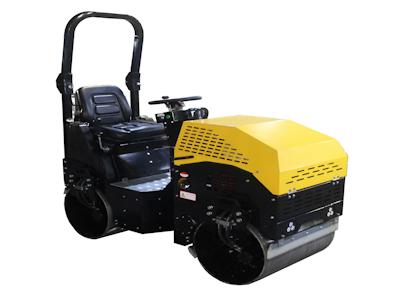
Строительная отрасль всегда была символом мощи и масштаба: гигантские краны, мощные бульдозеры и огромные экскаваторы, которые формируют наши города и инфраструктуру. Но что, если всё это изменится? Что, если технологии уплотнения позволят сделать технику меньше, легче и эффективнее, не теряя в производительности? Этот прорыв уже на горизонте, и он обещает перевернуть всё, что мы знаем о строительстве. Но готовы ли мы к этому? В этой статье мы зададим ключевые вопросы, чтобы понять, как уплотнение техники может изменить отрасль навсегда.
Технологии уплотнения включают в себя инновационные методы, такие как использование композитных материалов, миниатюризация двигателей, внедрение искусственного интеллекта для оптимизации работы и разработка модульных систем. Эти подходы позволяют сократить размер и вес техники, сохраняя или даже увеличивая её мощность. Например, компактный экскаватор с усиленной гидравликой может выполнять те же задачи, что и его larger аналог, но с меньшим расходом топлива и воздействием на окружающую среду. Почему это так критично? Потому что традиционная строительная техника часто сталкивается с проблемами логистики, высоких затрат на топливо и ограничений в плотных городских условиях. Уплотнение решает эти проблемы, но raises вопросы: не приведёт ли это к потере jobs для операторов крупной техники? И как обеспечить безопасность этих новых, более сложных систем?
Представьте себе строительную площадку будущего: вместо нескольких massive машин, множество небольших, автономных устройств работают в harmony, координируемые AI. Это может drastically сократить время проектов и reduce costs за счёт lower fuel consumption, easier transportation, and reduced need for large crews. Но is this utopia или dystopia? Вопросы abound: Will the initial investment in new technology be affordable for small firms? Could it lead to monopolization by big companies that can afford the R&D? And what about the learning curve for workers—will they need全新的 skills, potentially leaving some behind? Уплотнение может сделать строительство более доступным и sustainable, но только если мы address these challenges proactively.
Один из самых compelling аргументов в пользу уплотнения—снижение environmental impact. Меньшая техника means less emissions, less noise pollution, and less disturbance to ecosystems. Additionally, many compact machines are designed to be electric or hybrid, further reducing carbon footprints. Но is this enough to combat climate change? Or could it lead to unintended consequences, such as increased production of rare materials for advanced components? We must ask: How sustainable are the supply chains for these new technologies? And will the push for compaction divert attention from other eco-friendly practices, like using recycled materials in construction itself? Уплотнение could be a step toward greener building, but it requires holistic thinking to avoid greenwashing.
Уплотнение техники likely automation and AI integration, which could reduce the need for manual labor but increase demand for tech-savvy professionals. Это raises critical questions about job displacement and reskilling. Will traditional construction workers be able to adapt, or will there be a growing divide between low-skilled and high-skilled roles? Moreover, how will safety protocols evolve with smaller, potentially more agile machines? There's a risk of accidents if not properly managed. We need to ask: What training programs should be implemented to prepare the workforce? And how can we ensure that these changes benefit all, not just a select few? The human element is crucial—technology should empower people, not replace them without recourse.
As with any technological shift, compaction brings ethical dilemmas. For instance, increased automation might lead to greater efficiency but also to surveillance issues on job sites, as AI monitors every move. There's also the question of accessibility: Will developing countries be left behind if they can't afford these advanced machines? And what about the cultural impact—will the loss of large, iconic machinery change how we perceive construction and progress? We must ponder: Who controls these technologies, and are there regulations in place to prevent misuse? Ethics should be at the forefront, ensuring that innovation serves humanity equitably.
The potential is immense: smart cities built with precision by compact, AI-driven machines, reduced environmental harm, and faster project completion. But the future is not predetermined. It depends on how we navigate the questions raised here. Will we embrace compaction wholeheartedly, or will resistance from traditionalists slow progress? How can collaboration between engineers, policymakers, and communities shape a positive outcome? Ultimately, the breakthrough in compaction technology could indeed change construction forever, but only if we ask the right questions and act on the answers. Let's start the conversation now—what do you think the future holds?
В заключение, технологии уплотнения строительной техники предлагают exciting possibilities but also significant challenges. Задавая эти вопросы, мы can steer the industry toward a more efficient, sustainable, and inclusive future. The change is coming; it's up to us to ensure it's for the better.
Ningbo Feihu Machinery Co., Ltd.
Контактные лица:Shawn
Телефон:1388xx888xx / 1388xx888xx
Адрес:Beside Provincial Road, Yushantou, Dongqiao Town, Ningbo, Zhejiang, China
Ningbo Feihu Machinery Co., Ltd.
Контактные лица:Shawn
Телефон:1388xx888xx / 1388xx888xx
Адрес:Beside Provincial Road, Yushantou, Dongqiao Town, Ningbo, Zhejiang, China