

1388xx888xx
1388xx888xx@gmail.com

2025-12-21 20:01:10
Строительство – это основа современной инфраструктуры, которая определяет развитие городов, экономики и качества жизни. Однако, без прочного фундамента даже самые инновационные проекты могут потерпеть неудачу. Одним из ключевых аспектов обеспечения долговечности и безопасности зданий является эффективное уплотнение грунта. В этой статье мы подробно рассмотрим, почему уплотнение грунта так важно, какие методы и технологии используются сегодня, и как это влияет на общую устойчивость строительства.
Грунт – это естественное основание для любого строительного объекта. Его свойства, такие как плотность, влажность и прочность, напрямую влияют на способность выдерживать нагрузки от зданий, дорог или других сооружений. Неуплотненный грунт может привести к оседанию, трещинам и даже катастрофическим отказам, что влечет за собой огромные финансовые потери и риски для безопасности. Например, по данным исследований, до 30% проблем в строительстве связаны с недостаточным уплотнением грунта. Это подчеркивает необходимость тщательного подхода к этому процессу.
Эффективное уплотнение увеличивает плотность грунта, уменьшает пористость и улучшает его несущую способность. Это особенно важно в регионах с нестабильными почвами, такими как глинистые или песчаные грунты, которые склонны к изменению объема под воздействием влаги. Уплотнение помогает стабилизировать грунт, предотвращая его движение и обеспечивая равномерное распределение нагрузок. В результате, здания становятся более устойчивыми к землетрясениям, наводнениям и другим природным явлениям.
Кроме того, уплотнение грунта способствует экономии материалов и ресурсов. Когда грунт properly уплотнен, требуется меньше дополнительных материалов для укрепления основания, что снижает затраты на строительство и минимизирует environmental impact. Это делает процесс не только эффективным, но и sustainable, aligning with modern trends in green construction.
Исторически, уплотнение грунта осуществлялось с помощью простых инструментов, таких как ручные трамбовки или катки, pulled by animals. Однако, с развитием технологий, методы evolved significantly. Сегодня существует множество advanced techniques, each suited for different types of soil and project requirements.
One common method is vibratory compaction, which uses machines like vibratory rollers or plates to apply high-frequency vibrations. This is particularly effective for granular soils like sand or gravel, as the vibrations help particles rearrange into a denser configuration. For cohesive soils like clay, static compaction with heavy rollers is often preferred, as it relies on weight to compress the soil without causing excessive shearing.
Another innovative approach is dynamic compaction, where heavy weights are dropped from a height to densify the soil through impact energy. This method is useful for large-scale projects, such as airport runways or industrial sites, where deep compaction is needed. Additionally, techniques like soil stabilization with additives (e.g., lime or cement) can be combined with compaction to enhance soil properties further.
Technological advancements have also introduced automated systems and IoT-enabled devices that monitor compaction in real-time. Sensors can measure density, moisture content, and other parameters, allowing for precise control and optimization of the process. This not only improves efficiency but also ensures consistency and quality across the project.
Selecting the appropriate equipment is crucial for effective soil compaction. The choice depends on factors such as soil type, project size, and desired compaction level. Common machines include smooth drum rollers for general purposes, sheepfoot rollers for cohesive soils, and pneumatic tired rollers for versatile applications.
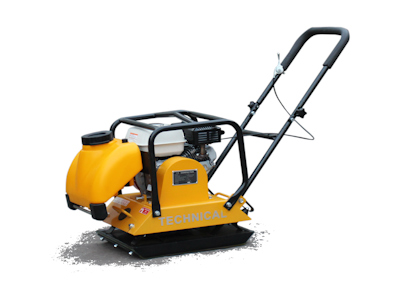
For smaller areas or confined spaces, plate compactors or rammers are ideal. These portable devices provide high impact force and are easy to maneuver. In contrast, large projects may require tandem rollers or even specialized machines like vibratory compactors with GPS integration for automated operation.
It's important to consider the operating conditions, such as weather and accessibility. For instance, in wet conditions, equipment with good traction and drainage capabilities is essential to prevent soil disturbance. Regular maintenance of machinery also plays a key role in ensuring longevity and performance.
To achieve optimal results, follow these practical tips: First, conduct a thorough site investigation to understand soil properties and conditions. This includes testing for moisture content, density, and classification. Based on this, develop a compaction plan that specifies the number of passes, layer thickness, and equipment to be used.
Monitor moisture content closely, as it significantly affects compaction efficiency. Soil that is too dry or too wet may not compact properly; aim for the optimum moisture content as determined by laboratory tests. Use field tests, such as the sand cone method or nuclear density gauge, to verify compaction during construction.
Implement quality control measures, including training for operators and regular inspections. Encourage teamwork and communication between crew members to address issues promptly. Finally, document the entire process for future reference and compliance with regulations.
Effective soil compaction directly contributes to the sustainability of construction by reducing the need for repairs, extending the lifespan of structures, and minimizing environmental degradation. As climate change increases the frequency of extreme weather events, robust foundations become even more critical.
Future trends in soil compaction include the adoption of green technologies, such as electric compactors that reduce emissions, and the use of AI for predictive maintenance and optimization. Research is also focused on developing new materials for soil stabilization that are eco-friendly and cost-effective.
In conclusion, investing in proper soil compaction is not just a technical necessity but a strategic decision that enhances the overall resilience and success of construction projects. By embracing modern methods and continuous improvement, the industry can build a safer and more sustainable future.
Эта статья предоставила comprehensive overview важности уплотнения грунта. Для более детальной информации, обратитесь к профессионалам или изучите дополнительные resources. Спасибо за внимание!
Предыдущая статья: Интеллектуальное уплотнение как повысить качество и эффективность
Следующий пост: Повышение производительности виброкатков стратегии и методы
Ningbo Feihu Machinery Co., Ltd.
Контактные лица:Shawn
Телефон:1388xx888xx / 1388xx888xx
Адрес:Beside Provincial Road, Yushantou, Dongqiao Town, Ningbo, Zhejiang, China
Ningbo Feihu Machinery Co., Ltd.
Контактные лица:Shawn
Телефон:1388xx888xx / 1388xx888xx
Адрес:Beside Provincial Road, Yushantou, Dongqiao Town, Ningbo, Zhejiang, China