

1388xx888xx
1388xx888xx@gmail.com

2025-12-25 04:01:10

В мире строительства и инфраструктурных проектов уплотнение грунта играет ключевую роль. Но что делает тяжелую технику для этой задачи такой особенной? Почему именно мощность считается её главным преимуществом? Сегодня мы зададим ряд вопросов, чтобы глубже понять этот аспект. Возможно, вы уже сталкивались с катками, виброплитами или другими машинами на строительных площадках. Но задумывались ли вы, насколько их мощь влияет на качество работы? Давайте начнём с основ: что такое уплотнение грунта и почему оно так важно? Уплотнение — это процесс увеличения плотности грунта путём удаления воздуха из пор, что улучшает несущую способность и устойчивость. Без этого фундаменты зданий, дороги и другие конструкции могли бы проседать или разрушаться. Теперь представьте: если техника слабая, сможет ли она достичь нужной плотности? Вероятно, нет. Вот где в игру вступает тяжелая техника с её высокой мощностью. Но действительно ли больше мощность всегда означает лучше результаты? Или есть подводные камни? Рассмотрим это подробнее.
Первый вопрос: как измеряется мощность в тяжелой технике для уплотнения грунта? Обычно это выражается в лошадиных силах (л.с.) или киловаттах (кВт), а также через другие параметры, такие как усилие уплотнения или частота вибрации. Например, виброкатки могут иметь мощность двигателя от 50 до 200 л.с., что позволяет им эффективно работать на различных типах грунта. Но почему именно высокая мощность считается преимуществом? Потому что она обеспечивает более глубокое и равномерное уплотнение, сокращает время работы и повышает производительность. Представьте строительство автомагистрали: если использовать маломощную технику, процесс затянется на недели, увеличивая costs и риски. С мощной техникой же можно завершить project быстрее, сэкономив ресурсы. Однако, не приведёт ли избыточная мощность к повреждению грунта или оборудования? Это важный аспект для обсуждения.
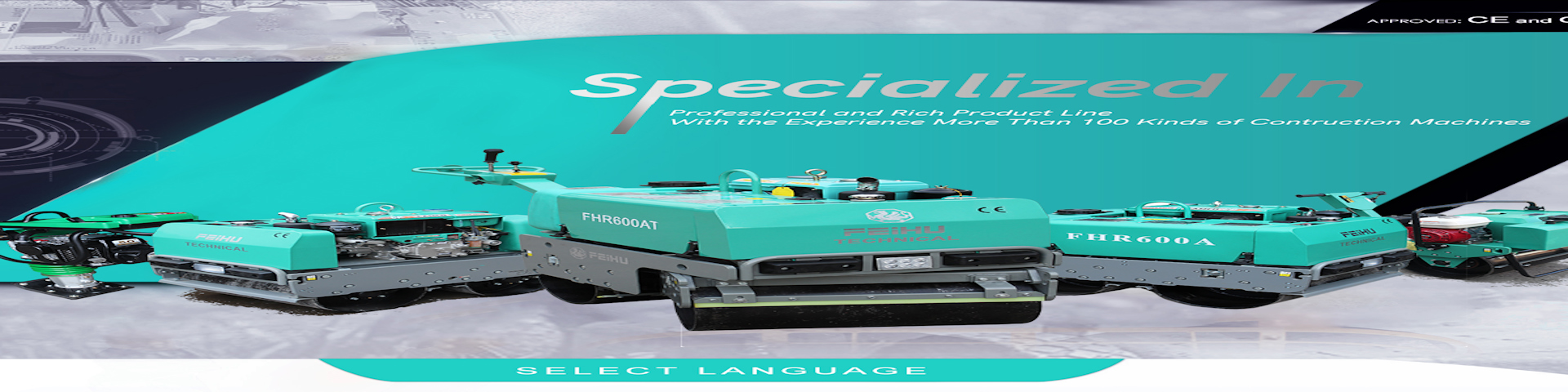
Следующий вопрос: какие типы тяжелой техники существуют для уплотнения грунта и как мощность варьируется между ними? Основные категории включают виброкатки, плитные уплотнители, трамбовки и катки с пневматическими шинами. Виброкатки, например, часто оснащены дизельными двигателями высокой мощности, которые генерируют сильные вибрации для уплотнения. Их мощность может достигать 150 л.с. и более, что идеально для крупных проектов. Плитные уплотнители, с другой стороны, могут быть менее мощными (скажем, 20-50 л.с.), но они более манёвренные и подходят для ограниченных пространств. А как насчет трамбовок? Они используют ударное действие и могут иметь скромную мощность, но эффективны для точечного уплотнения. Здесь возникает дилемма: стоит ли всегда выбирать самую мощную технику? Ответ не однозначен — это зависит от конкретных условий проекта, типа грунта и требуемой плотности. Например, для уплотнения глинистых грунтов может потребоваться более высокая мощность due to их resistance, whereas sandy soils might need less. So, is superiority in power a universal truth or a context-dependent factor? Let's delve deeper.
Now, let's ask: how does power translate to actual benefits on the construction site? High-power equipment can handle larger areas in less time, reduce fuel consumption per unit of work (thanks to efficiency), and minimize the need for multiple passes. This leads to cost savings and improved project timelines. But what about the environmental impact? Powerful machines might emit more pollutants, so modern designs focus on eco-friendly engines with high power outputs. Additionally, operator safety is enhanced with powerful machines that have better control systems. However, could there be downsides? Over-compaction is a risk if power is not properly calibrated, which can weaken the soil structure. Also, high-power equipment tends to be more expensive to purchase and maintain. So, is the superiority in power worth the investment? For most large-scale projects, yes — the long-term benefits outweigh the costs. But for small jobs, it might be overkill. This brings us to the next point: how to choose the right equipment based on power needs.
Another question to ponder: what technological advancements have boosted the power of compaction equipment? Over the years, innovations in engine design, hydraulics, and materials have allowed for more powerful yet efficient machines. For instance, hybrid systems combine diesel and electric power to maximize output while reducing emissions. GPS and automation are also integrated, enabling precise control of power application. But does this mean that power alone defines superiority? Not necessarily — intelligence in power management is key. A machine with moderate power but smart features might outperform a brute-force high-power one in certain scenarios. So, perhaps superiority is not just about raw power but about how it's utilized. This leads to a broader reflection: in the era of smart construction, is power still the top priority, or are other factors like sustainability and digitalization taking over?
Let's consider real-world examples: major infrastructure projects like the construction of airports or dams rely heavily on high-power compaction equipment. For instance, in the development of the Moscow Central Circle, powerful vibratory rollers were used to ensure stable ground for railways. The power of these machines allowed for rapid completion despite challenging soil conditions. But what if power was insufficient? Delays and safety issues could arise. However, in residential construction, lower-power equipment might suffice. This variability shows that while power is crucial, it must be matched to the task. So, is the claim of 'superiority in power' exaggerated? It depends on the context — for heavy-duty applications, it's undeniable, but for lighter duties, other attributes like versatility might be more important.
Finally, let's ask about the future: will power continue to be the defining factor in compaction equipment? With trends towards electrification and autonomy, we might see shifts. Electric compactors are emerging with high torque and instant power, offering similar benefits with less noise and pollution. But will they match the raw power of traditional diesel machines? Possibly, as battery technology improves. Ultimately, the superiority in power is evolving — it's not just about horsepower but about efficient, sustainable power delivery. In conclusion, while heavy equipment for soil compaction does exhibit superiority in power, it's essential to balance it with other factors like cost, environment, and specific project needs. So, the next time you see a massive roller on site, ask yourself: is its power the hero, or is it the smart application that truly makes it superior?
This article has explored various angles through questions, highlighting that power is a significant advantage but not the sole determinant of excellence in soil compaction equipment. As technology advances, the definition of 'superiority' may broaden, incorporating more holistic measures of performance.
Предыдущая статья: Эффективная многофункциональная техника для уплотнения грунта
Следующий пост: Каковы основные преимущества простой в эксплуатации вибрационной катки
Ningbo Feihu Machinery Co., Ltd.
Контактные лица:Shawn
Телефон:1388xx888xx / 1388xx888xx
Адрес:Beside Provincial Road, Yushantou, Dongqiao Town, Ningbo, Zhejiang, China
Ningbo Feihu Machinery Co., Ltd.
Контактные лица:Shawn
Телефон:1388xx888xx / 1388xx888xx
Адрес:Beside Provincial Road, Yushantou, Dongqiao Town, Ningbo, Zhejiang, China