

1388xx888xx
1388xx888xx@gmail.com

2025-12-27 20:01:10
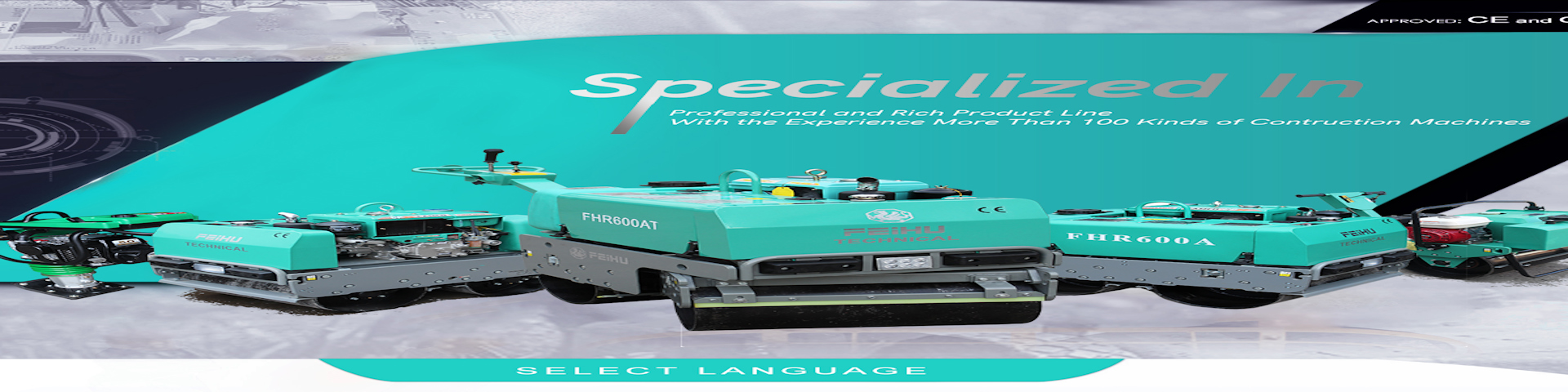
Добро пожаловать в мир инноваций, где традиционные методы уступают место передовым технологиям. В этой статье мы зададимся серией вопросов, чтобы глубоко исследовать, как вибрационные катки переопределяют строительную отрасль. От основ их работы до глобального воздействия — присоединяйтесь к нам в этом познавательном путешествии.
Что именно представляет собой вибрационный каток?
Вибрационный каток — это специализированная дорожная техника, используемая для уплотнения грунта, асфальта и других материалов в строительных проектах. В отличие от статических катков, которые полагаются только на свой вес, вибрационные катки оснащены вибрационным механизмом, который создаёт высокочастотные колебания. Эти колебания передаются через валок (ролик) в материал, значительно увеличивая эффективность уплотнения за счёт снижения внутреннего трения и перераспределения частиц. Это позволяет достичь более высокой плотности и прочности при меньшем количестве проходов, что экономит время и ресурсы. Технология включает в себя эксцентриковые грузы или гидравлические системы, которые генерируют вибрацию, и часто регулируются по амплитуде и частоте для адаптации к различным материалам и условиям. Таким образом, вибрационные катки представляют собой ключевой инструмент в современном строительстве, обеспечивающий долговечность и надёжность инфраструктуры.
Почему вибрационные катки считаются революционными в строительстве?
Революционность вибрационных катков заключается в их способности кардинально улучшить процессы уплотнения, которые являются фундаментальными для строительства дорог, аэродромов, дамб и других объектов. До их появления уплотнение часто требовало много времени, усилий и энергии, приводя к неравномерным результатам и потенциальным дефектам. Вибрационные катки, представленные в середине XX века и постоянно совершенствуемые, внесли прорыв за счёт: 1) Повышения эффективности: они могут уплотнять материалы на 20-50% быстрее, чем статические аналоги, сокращая сроки проектов и снижая затраты. 2) Улучшения качества: вибрация обеспечивает более однородное уплотнение, уменьшая риск просадок, трещин и необходимости в ремонте, что продлевает срок службы конструкций. 3) Универсальности: современные модели адаптируются к разным материалам, от глины до асфальта, и работают в различных условиях, включая сложные рельефы. 4) Экологичности: уменьшая количество проходов, они экономят топливо и снижают выбросы, а также минимизируют шумовое загрязнение благодаря улучшенным технологиям. Эта революция не только трансформировала строительные практики, но и стимулировала инновации в смежных областях, таких как материаловедение и автоматизация, делая вибрационные катки символом прогресса в индустрии.
Каков основной принцип работы вибрационного катка?
Основной принцип работы вибрационного катка основан на генерации механических колебаний, которые передаются в уплотняемый материал через вращающийся валок. В сердце системы находится вибрационный узел, typically consisting of an eccentric weight or a hydraulic oscillator. When activated, this weight rotates at high speeds, creating centrifugal forces that produce vibrations. These vibrations are characterized by frequency (measured in hertz, Hz) and amplitude (the extent of movement), which can be adjusted based on the material type and desired compaction level. For example, higher frequencies (around 40-70 Hz) are used for asphalt to achieve fine compaction, while lower frequencies (20-40 Hz) suit cohesive soils like clay. The vibrations reduce the internal friction between particles, allowing them to rearrange into a denser configuration under the static weight of the machine. Additionally, modern катки often feature advanced control systems, such as GPS and sensors, to monitor compaction in real-time, ensuring optimal performance. This combination of vibration and weight enables efficient energy transfer, resulting in faster and more effective compaction compared to static methods.
Какие компоненты составляют вибрационный каток и как они взаимодействуют?
Вибрационный каток состоит из нескольких ключевых компонентов, которые работают вместе для обеспечения эффективного уплотнения. Основные части включают: 1) Рама и шасси: обеспечивают структурную целостность и mobility, often made of durable steel to withstand heavy loads and rough terrain. 2) Валок (ролик): это уплотняющий элемент, который контактирует с материалом; он может быть гладким для asphalt или кулачковым (с выступами) для soil, и is where vibrations are applied. 3) Вибрационный механизм: typically located inside the drum, it contains eccentric masses driven by a hydraulic motor or electric system; this generates the oscillations. 4) Двигатель: provides power for both propulsion and vibration, usually a diesel engine for outdoor use or electric for indoor applications. 5) Система управления: включает в себя кабину оператора с levers, displays, and often computerized interfaces for adjusting vibration settings, speed, and other parameters. 6) Гидравлическая система: powers the vibration and movement, using fluid pressure to control functions smoothly. 7) Датчики и electronics: modern катки may have sensors for measuring compaction density, temperature, and other metrics, feeding data to the operator or automated systems. Взаимодействие начинается с оператора, который запускает двигатель и активирует вибрацию через систему управления. Двигатель приводит в движение гидравлику, которая вращает эксцентриковые массы, создавая вибрации в валке. Эти вибрации передаются в material, while the machine moves forward, ensuring even coverage. Системы мониторинга предоставляют обратную связь, позволяя корректировать параметры для достижения идеального уплотнения. Эта интеграция компонентов делает вибрационные катки highly efficient and adaptable machines.
В чём заключаются основные преимущества вибрационных катков в terms of efficiency and cost?
Основные преимущества вибрационных катков в плане эффективности и затрат многочисленны и значительны. Во-первых, они drastically reduce the time required for compaction. Thanks to the vibrational action, fewer passes are needed to achieve the desired density—often 3-5 passes compared to 8-10 for static rollers. This speeds up project timelines, allowing for faster completion of roads, foundations, and other structures, which in turn lowers labor costs and reduces overall project duration. Secondly, they enhance cost-effectiveness by saving on fuel and maintenance. Since the machine operates for shorter periods, fuel consumption is decreased, and wear and tear on components are minimized, leading to lower operational expenses. Additionally, the improved compaction quality reduces the need for rework or repairs later, avoiding costly delays and material wastage. For example, in large-scale infrastructure projects, the use of вибрационные катки can cut costs by up to 30% compared to traditional methods. Furthermore, their versatility means one machine can handle multiple tasks, reducing the need for specialized equipment and simplifying logistics. Overall, these efficiency gains translate into higher profitability for construction companies and better value for clients, making вибрационные катки a smart investment in modern construction.
Как вибрационные катки способствуют улучшению качества и долговечности строительных projects?
Вибрационные катки вносят существенный вклад в улучшение качества и долговечности строительных projects through superior compaction results. The vibrational forces ensure a more uniform density throughout the material, eliminating weak spots that can lead to settling, cracking, or failure over time. For instance, in road construction, proper compaction with вибрационные катки results in a smoother, more resilient surface that can withstand heavy traffic and environmental stresses, such as freeze-thaw cycles, without deteriorating quickly. This enhances the structural integrity of the project, extending its lifespan and reducing maintenance needs. Moreover, the ability to precisely control vibration parameters allows for adaptation to different materials, ensuring optimal compaction for each specific application—whether it's asphalt, soil, or aggregate. This precision minimizes the risk of over-compaction, which can cause damage, or under-compaction, which compromises strength. As a result, projects built with вибрационные катки are more reliable, safer, and require fewer interventions over their lifetime, ultimately saving money and resources while promoting sustainability through longer-lasting infrastructure.
Какие recent technological advancements have been made in вибрационные катки?
В recent years, вибрационные катки have seen significant technological advancements that enhance their performance, efficiency, and user-friendliness. Key innovations include: 1) Automation and IoT integration: Modern катки are equipped with GPS and telematics systems that allow for real-time monitoring of compaction data, such as density and passes. This enables automated operation where the machine can adjust vibrations based on pre-set parameters, reducing human error and improving consistency. 2) Electric and hybrid powertrains: To address environmental concerns, manufacturers are developing electric вибрационные катки that produce zero emissions and lower noise levels, ideal for urban projects or indoor use. Hybrid models combine diesel and electric power for flexibility. 3) Advanced materials: The use of lightweight composites and wear-resistant alloys in construction extends the lifespan of components and reduces overall weight, improving fuel efficiency without compromising strength. 4) Enhanced control systems: Touchscreen interfaces, predictive maintenance alerts, and remote diagnostics make operation more intuitive and reduce downtime by anticipating issues before they occur. 5) Improved vibration technology: Adjustable frequency and amplitude systems now offer finer control, allowing for optimal compaction across a wider range of materials and conditions. These advancements not only boost productivity but also align with global trends towards sustainability and smart construction, positioning вибрационные катки at the forefront of industrial innovation.
Какие будущие тенденции могут shape the evolution of вибрационные катки?
Будущие тенденции в развитии вибрационных катков likely focus on further integration of digitalization, sustainability, and autonomy. Expect to see: 1) Full autonomy: Self-driving вибрационные катки equipped with AI and machine learning could operate without human intervention, using sensors to navigate and compact sites efficiently, reducing labor costs and enhancing safety. 2) Green technology: Increased adoption of electric and hydrogen-powered models will minimize carbon footprints, supported by advancements in battery technology for longer operation times. 3) Data-driven optimization: Big data analytics will enable predictive compaction models, where machines use historical data to optimize vibration settings for specific soil types or weather conditions, improving outcomes and reducing waste. 4) Modular design: Катки may become more modular, allowing easy customization with attachable components for different tasks, increasing versatility on diverse job sites. 5) Enhanced connectivity: Integration with building information modeling (BIM) and other digital tools will create seamless workflows from design to construction, ensuring that compaction meets exact specifications. These trends will not only make вибрационные катки more efficient and eco-friendly but also transform them into intelligent assets that contribute to smarter, more resilient infrastructure development worldwide.
Насколько экологичны вибрационные катки compared to other construction equipment?
Вибрационные катки generally offer better environmental credentials compared to many other types of construction equipment, particularly when modern innovations are considered. Their primary environmental impact comes from fuel consumption and emissions, but advancements have mitigated this. For example, the efficiency of вибрационные катки means they require fewer passes to achieve compaction, leading to lower fuel use and reduced CO2 emissions per project. Additionally, the shift towards electric and hybrid models eliminates direct emissions entirely, making them ideal for sensitive areas or projects with strict environmental regulations. Noise pollution is another concern, but вибрационные катки are often designed with noise-dampening technologies that keep levels within acceptable limits, especially in urban settings. Moreover, by improving compaction quality, they reduce material waste and the need for future repairs, which conserves resources and minimizes the overall ecological footprint of construction activities. However, it's important to note that the production and disposal of these machines still involve environmental costs, so ongoing efforts in recycling and sustainable manufacturing are crucial. Overall, when used responsibly and with modern features, вибрационные катки contribute positively to sustainable development by enabling more efficient and less wasteful construction practices.
Как вибрационные катки align with global sustainability goals in construction?
Вибрационные катки align well with global sustainability goals, such as those outlined in the UN Sustainable Development Goals (SDGs), particularly SDG 9 (Industry, Innovation, and Infrastructure) and SDG 11 (Sustainable Cities and Communities). By enhancing the efficiency and durability of infrastructure, они help create resilient systems that require less maintenance and resource input over time, reducing the overall environmental impact. Their role in promoting green construction is evident through: 1) Energy efficiency: Advanced models consume less energy per unit of work done, contributing to lower carbon emissions. 2) Waste reduction: Precise compaction minimizes material overuse and defects, aligning with circular economy principles. 3) Innovation adoption: The push for electric and autonomous катки supports transitions to cleaner technologies in the construction sector. 4) Social benefits: Improved infrastructure quality enhances public safety and quality of life, supporting sustainable urban development. Furthermore, manufacturers are increasingly focusing on life-cycle assessments and eco-design, ensuring that вибрационные катки are produced and operated in ways that minimize harm to the planet. As the construction industry moves towards net-zero targets, these machines will play a key role in building a more sustainable future, demonstrating how technological revolution can go hand-in-hand with environmental stewardship.
С какими challenges do operators face when using вибрационные катки?
Операторы вибрационных катков могут столкнуться с несколькими challenges, которые требуют внимания и обучения. Основные из них включают: 1) Сложность управления: современные катки оснащены advanced control systems, которые могут быть intimidating for inexperienced operators; proper training is essential to avoid errors in vibration settings or machine handling. 2) Адаптация к материалам: different soils and asphalt types require specific vibration parameters; incorrect settings can lead to poor compaction or damage, necessitating a deep understanding of material properties. 3) Техническое обслуживание: вибрационные компоненты подвержены износу и требуют regular inspection and maintenance to prevent failures, which can be costly and time-consuming if neglected. 4) Шум и вибрация: хотя технологии снизили эти impacts, prolonged exposure can still pose health risks to operators, such as hearing loss or vibration white finger, requiring protective measures and breaks. 5) Стоимость: high initial investment for advanced models may be a barrier for small companies, though long-term savings often justify it. 6) Ограничения по применению: в very soft or wet conditions, вибрационные катки may not be effective and could cause instability, requiring alternative methods. Addressing these challenges through training, maintenance protocols, and technological improvements is key to maximizing the benefits of вибрационные катки in construction projects.
Are there any limitations to where and how вибрационные катки can be used?
Да, вибрационные катки have certain limitations that restrict their use in specific scenarios. Firstly, они are not suitable for all types of materials; for example, in very cohesive soils like heavy clay, excessive vibration can cause liquefaction or instability, leading to poor results. Similarly, in areas with high water content, vibration might displace water and weaken the material instead of compacting it. Secondly, their effectiveness is limited on steep slopes or uneven terrain where stability could be compromised, increasing the risk of accidents. Thirdly, noise and vibration restrictions in residential or sensitive areas might prohibit their use, especially with older models that are louder. Additionally, the size and weight of вибрационные катки can be a constraint in confined spaces or on weak subgrades that cannot support heavy machinery. For instance, small-scale projects or indoor applications might require smaller, specialized equipment. However, ongoing innovations, such as compact electric models and improved control systems, are gradually overcoming these limitations, expanding the range of applications where вибрационные катки can be deployed effectively while adhering to safety and environmental standards.
Какие factors should be considered when selecting a вибрационный каток?
При выборе подходящего вибрационного катка для specific project needs, several key factors must be considered to ensure optimal performance and cost-efficiency. Firstly, assess the type of material to be compacted: for asphalt, a smooth-drum каток with high-frequency vibration is ideal, while for soils, a padfoot or sheepfoot drum might be better. Secondly, consider the project scale and size: larger projects may require heavier катки with greater compaction force, whereas smaller sites might benefit from compact or walk-behind models. Thirdly, evaluate the operating environment: if working in noisy or urban areas, opt for models with low noise emissions and electric power options. Fourthly, look at the technical specifications, such as amplitude and frequency ranges, to match the material requirements—higher amplitudes for cohesive soils, lower for granular materials. Fifthly, factor in budget and total cost of ownership, including fuel efficiency, maintenance needs, and potential rental versus purchase options. Additionally, check for features like advanced control systems, GPS integration, and safety enhancements that can improve productivity. Consulting with manufacturers or experts and reviewing case studies from similar projects can provide valuable insights, ensuring that the chosen каток meets all project demands while aligning with sustainability and efficiency goals.
Can you provide examples of how вибрационные катки are used in real-world projects?
Вибрационные катки широко применяются в diverse real-world projects, demonstrating their versatility and effectiveness. For instance, in highway construction, such as the expansion of the M11 motorway in Russia, вибрационные катки were used to compact the asphalt layers, ensuring a durable and smooth surface that can handle high traffic volumes. The vibrational technology allowed for rapid compaction, reducing project timelines and minimizing disruptions. In airport runway projects, like at Sheremetyevo International Airport, these катки are essential for achieving the high-density requirements needed to support aircraft loads, with precise vibration settings adapted for different asphalt mixes. Another example is in dam construction, where вибрационные катки compact earth and rock fill materials to create stable, impermeable structures; the Belo Monte Dam in Brazil utilized them to enhance compaction efficiency in challenging terrain. Additionally, in urban development, such as the construction of residential complexes in Moscow, compact вибрационные катки are used for foundation work, providing reliable compaction in confined spaces while keeping noise levels low. These examples highlight how вибрационные катки contribute to successful outcomes across various sectors, from transportation to energy, by delivering superior compaction quality and efficiency.
В итоге, как вибрационные катки redefine the future of construction?
В итоге, вибрационные катки redefine the future of construction by introducing a paradigm shift towards greater efficiency, quality, and sustainability. They represent a move away from labor-intensive, time-consuming methods to intelligent, technology-driven processes that optimize every aspect of compaction. This new era is characterized by faster project completions, reduced costs, and infrastructure that lasts longer and performs better, ultimately benefiting societies through improved roads, buildings, and public works. As innovations continue to emerge, such as autonomy and green power, вибрационные катки will become even more integral to smart construction ecosystems, enabling projects that are not only economically viable but also environmentally responsible. By embracing these technologies, the construction industry can overcome traditional challenges and build a future where development and sustainability go hand in hand, making вибрационные катки a cornerstone of progress in the 21st century.
What final thoughts or recommendations would you offer to industry professionals?
Для профессионалов отрасли, я recommend embracing вибрационные катки as a key tool in their arsenal. Invest in training for operators to maximize the potential of advanced features, and consider upgrading to newer models that offer better efficiency and environmental benefits. Stay informed about technological trends, such as electric and autonomous options, to future-proof operations. Additionally, prioritize sustainability by choosing equipment that aligns with green goals and reduces overall project impacts. By doing so, you can not only improve project outcomes but also contribute to a more resilient and innovative construction industry. Remember, the revolution brought by вибрационные катки is just beginning—stay ahead of the curve to reap the full rewards of this new era in building.
Спасибо, что присоединились к этому exploration вибрационных катков. Если у вас есть дополнительные вопросы или вы хотите поделиться опытом, не стесняйтесь обращаться к экспертам в field. Вместе мы можем продолжать推动 innovation и строить лучшее будущее.
Предыдущая статья: Гидравлические вибрационные системы для эффективного строительства
Следующий пост: Какой каток лучше выбрать для грунта или асфальтовых работ
Ningbo Feihu Machinery Co., Ltd.
Контактные лица:Shawn
Телефон:1388xx888xx / 1388xx888xx
Адрес:Beside Provincial Road, Yushantou, Dongqiao Town, Ningbo, Zhejiang, China
Ningbo Feihu Machinery Co., Ltd.
Контактные лица:Shawn
Телефон:1388xx888xx / 1388xx888xx
Адрес:Beside Provincial Road, Yushantou, Dongqiao Town, Ningbo, Zhejiang, China