

1388xx888xx
1388xx888xx@gmail.com

2025-12-29 00:01:10
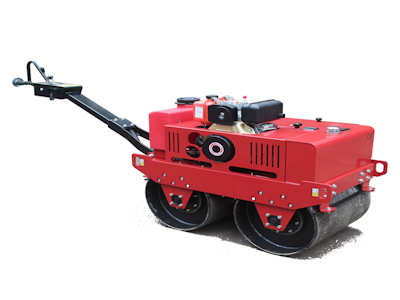
Виброуплотнение — это ключевой процесс в современном строительстве, который играет решающую роль в обеспечении качества и долговечности конструкций. Эффективное использование вибрационных технологий позволяет не только улучшить механические свойства материалов, таких как бетон, но и значительно сократить расходы на строительство. В этой статье мы подробно рассмотрим, как правильное виброуплотнение способствует экономии ресурсов и повышению надежности зданий и сооружений.
Виброуплотнение — это процесс уплотнения сыпучих или пластичных материалов, таких как бетонная смесь, с помощью вибрации. Вибрация вызывает движение частиц материала, что позволяет удалить воздушные пузыри и равномерно распределить компоненты, повышая плотность и прочность конечного продукта. В строительстве это особенно важно для бетонных работ, где неуплотненный бетон может привести к образованию пустот, снижению прочности и преждевременному разрушению конструкций.
Исторически виброуплотнение стало широко применяться с развитием строительных технологий в XX веке. До этого уплотнение часто выполнялось вручную, что было трудоемким и менее эффективным. С внедрением механизированных вибраторов, таких как глубинные и поверхностные вибраторы, процесс стал более точным и производительным. Сегодня виброуплотнение является стандартной практикой в большинстве строительных проектов, от небольших жилых домов до крупных инфраструктурных объектов, таких как мосты и дамбы.
Важность виброуплотнения невозможно переоценить. Оно напрямую влияет на долговечность конструкций. Например, в бетонных фундаментах эффективное уплотнение предотвращает образование трещин и коррозию арматуры, что продлевает срок службы здания на десятилетия. Кроме того, оно экономит ресурсы за счет снижения потребности в ремонтах и замене материалов. Исследования показывают, что proper виброуплотнение может увеличить прочность бетона на 20-30%, что эквивалентно значительной экономии цемента и других компонентов.
Современное строительство предлагает широкий спектр оборудования для виброуплотнения, каждый тип которого предназначен для specific applications. Основные категории включают глубинные вибраторы, поверхностные вибраторы, виброплиты и виброрейки. Глубинные вибраторы, также известные как игольчатые вибраторы, используются для уплотнения thick бетонных слоев, таких как колонны и стены. Они погружаются в смесь и создают высокочастотные колебания, которые эффективно удаляют воздух.
Поверхностные вибраторы применяются для уплотнения тонких слоев бетона, например, при устройстве полов или дорожных покрытий. Они устанавливаются на поверхности и передают вибрацию через виброплощадку. Виброплиты и виброрейки часто используются в дорожном строительстве для уплотнения грунта или асфальта. Эти машины compact материалы за счет combined действия вибрации и статического давления.
Ключевые параметры оборудования включают частоту вибрации, амплитуду и мощность. Высокочастотные вибраторы (обычно 100-200 Гц) обеспечивают лучшее уплотнение для fine-grained materials, в то время как низкочастотные (50-100 Гц) подходят для coarse materials. Современные модели оснащены электронным управлением, которое позволяет точно настраивать параметры в зависимости от типа смеси и условий работы. Например, некоторые вибраторы имеют sensors, которые автоматически adjust frequency to avoid over-vibration, which can lead to segregation of materials.
Инновации в области виброуплотнения включают использование беспроводных и battery-powered устройств, что повышает мобильность и безопасность на строительной площадке. Additionally, integration with Building Information Modeling (BIM) allows for precise planning and monitoring of compaction processes, ensuring consistency and quality across large projects. These advancements not only improve efficiency but also reduce human error, contributing to overall resource savings.
Эффективное виброуплотнение directly leads to significant resource savings in construction. One of the primary ways it achieves this is by reducing material waste. When concrete is properly compacted, it requires less material to achieve the same strength, as the density is maximized. For instance, studies have shown that optimal vibration can decrease the cement content in a mix by up to 10% without compromising strength, which translates to lower costs and reduced environmental impact due to lower CO2 emissions from cement production.
Moreover, efficient compaction minimizes the need for repairs and maintenance over the lifecycle of a structure. Poorly compacted concrete is prone to issues like honeycombing, where voids form, leading to water infiltration and reinforcement corrosion. This can necessitate expensive repairs or even premature replacement. By ensuring thorough compaction, construction projects can avoid these costs, saving money in the long term. For example, on a large bridge project, proper vibration might prevent costly interventions that could amount to millions of dollars over decades.
Labor and time savings are another critical aspect. Manual compaction methods are slow and labor-intensive, whereas mechanical vibrators allow for faster completion of tasks. This reduces labor costs and shortens project timelines, enabling earlier occupancy or use of the structure. In competitive construction markets, time is money, and any efficiency gain can provide a competitive edge. Additionally, reduced energy consumption of modern, efficient vibrators contributes to lower operational costs and a smaller carbon footprint.
Case studies illustrate these benefits vividly. In a recent high-rise construction in Moscow, the use of advanced vibrators with automated controls resulted in a 15% reduction in concrete usage and a 20% decrease in construction time compared to traditional methods. Similarly, in road construction projects in Siberia, proper soil compaction with vibratory plates prevented settlement issues, eliminating the need for additional groundwork and saving up to 30% on material costs. These examples underscore how investing in quality compaction technology pays off through direct and indirect resource economies.
Долговечность строительных конструкций heavily depends on the quality of compaction. Vibration ensures that materials are homogenous and free of defects, which enhances their resistance to environmental stresses such as freeze-thaw cycles, chemical attacks, and mechanical loads. For concrete structures, this means a longer service life with minimal degradation. Properly compacted concrete has higher compressive strength, better abrasion resistance, and improved impermeability, all of which contribute to longevity.
In seismic regions, effective compaction is even more critical. Earthquakes impose dynamic loads on structures, and any weakness from poor compaction can lead to catastrophic failures. By achieving uniform density, vibratory compaction improves the structural integrity and energy dissipation capacity, making buildings more resilient. For instance, in earthquake-prone areas like the Caucasus, construction codes mandate strict vibration protocols to ensure safety and durability.
The role of compaction in preventing common issues cannot be overstated. For example, in pavement construction, inadequate compaction of asphalt or soil bases can result in rutting, cracking, and potholes, requiring frequent repairs. With proper vibration, these problems are mitigated, extending the life of roads and reducing maintenance costs. Similarly, in building foundations, good compaction prevents differential settlement, which can cause cracks in walls and floors.
Long-term benefits include not only financial savings but also enhanced sustainability. Durable structures require fewer resources for upkeep and replacement, aligning with green building principles. Moreover, by reducing the frequency of reconstructions, effective compaction lowers the overall environmental impact of construction activities, such as quarrying for new materials and transportation emissions. Thus, it supports the global shift towards sustainable development in the construction industry.
To maximize the benefits of vibrocompaction, it is essential to follow best practices. First, select the appropriate equipment based on the material type and project requirements. For instance, use high-frequency vibrators for fine concrete mixes and low-frequency ones for coarse aggregates. Always ensure that the vibrator is in good condition, with regular maintenance to prevent failures that could compromise compaction quality.
Timing and technique are crucial. Start vibration immediately after pouring the concrete to prevent initial setting, and continue until air bubbles cease to rise—typically for 5-15 seconds per insertion point for depth vibrators. Avoid over-vibration, as it can cause segregation, where heavier particles settle at the bottom, weakening the structure. Use a systematic pattern, such as a grid, to ensure uniform coverage without missing spots.
Training for operators is vital. They should understand the principles of vibration, including how to adjust frequency and amplitude for different conditions. Many modern vibrators come with digital displays and guides, but hands-on experience is irreplaceable. Encourage the use of personal protective equipment, such as gloves and ear protection, to ensure safety on site.
Monitoring and quality control are key. Employ non-destructive testing methods, like ultrasonic pulse velocity tests, to verify compaction quality without damaging the structure. Keep records of vibration parameters and results for each section, which aids in troubleshooting and continuous improvement. In large projects, consider using IoT-enabled devices that provide real-time data on compaction efficiency, allowing for immediate adjustments.
Finally, integrate vibrocompaction into the overall project planning. Coordinate with other trades to avoid conflicts, and schedule compaction activities during optimal weather conditions—for example, avoid extreme heat or cold that can affect concrete setting. By adopting these practices, construction teams can achieve consistent, high-quality results that enhance resource economy and durability.
В заключение, эффективное виброуплотнение является indispensable компонентом современного строительства, offering substantial benefits in terms of resource savings and enhanced durability. By leveraging advanced technologies and adhering to best practices, construction professionals can not only reduce costs and waste but also build structures that stand the test of time. As the industry continues to evolve, embracing innovation in vibration equipment and methods will be crucial for sustainable and efficient construction. Invest in quality compaction—it's a small step that leads to giant leaps in project success and longevity.
Для получения дополнительной информации о наших продуктах и услугах в области виброуплотнения, свяжитесь с нами today. Мы предлагаем широкий ассортимент оборудования и консультации от экспертов, чтобы помочь вам достичь наилучших результатов в ваших строительных проектах.
Предыдущая статья: Инновационный каток с AI управлением меняет правила игры
Следующий пост: Повышение Производительности Безопасность Приоритет Надежность
Ningbo Feihu Machinery Co., Ltd.
Контактные лица:Shawn
Телефон:1388xx888xx / 1388xx888xx
Адрес:Beside Provincial Road, Yushantou, Dongqiao Town, Ningbo, Zhejiang, China
Ningbo Feihu Machinery Co., Ltd.
Контактные лица:Shawn
Телефон:1388xx888xx / 1388xx888xx
Адрес:Beside Provincial Road, Yushantou, Dongqiao Town, Ningbo, Zhejiang, China