

1388xx888xx
1388xx888xx@gmail.com

2025-12-30 12:01:10

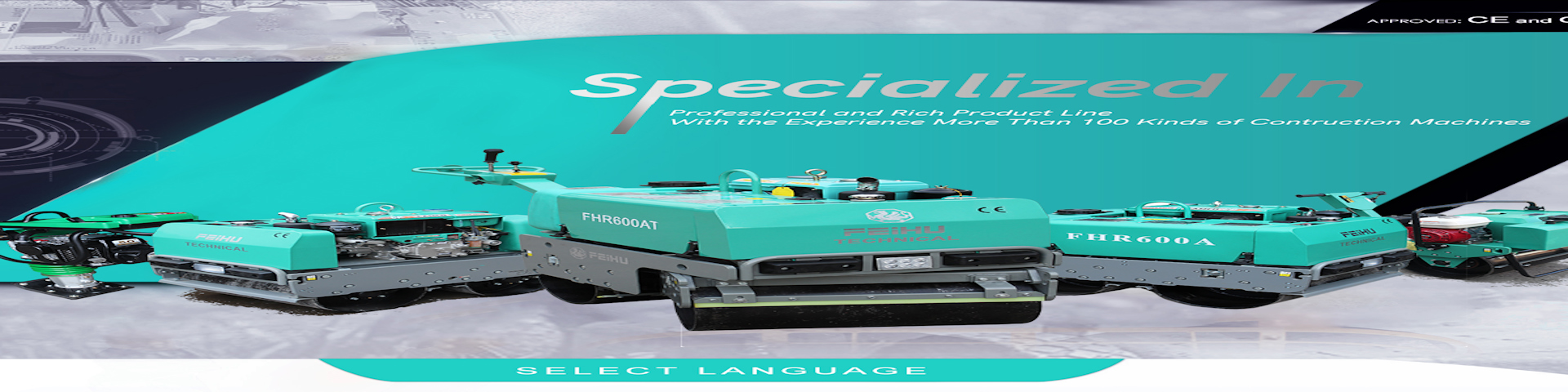
Дорожное строительство – это одна из ключевых отраслей, определяющая развитие экономики и инфраструктуры любой страны. Однако, несмотря на значительный прогресс в технологиях, многие процессы до сих пор сталкиваются с вызовами, такими как недостаточная эффективность, высокие затраты и негативное воздействие на окружающую среду. В последние годы появился инновационный вибрационный каток, который обещает кардинально изменить эту отрасль. В этой статье мы подробно рассмотрим, как этот новейший инструмент может революционизировать дорожное строительство, повысить качество работ, сократить расходы и минимизировать экологический след.
Вибрационные катки используются в дорожном строительстве для уплотнения грунта, асфальта и других материалов. Их история начинается с середины XX века, когда первые модели появились для повышения эффективности традиционных методов. Изначально это были простые механические устройства с ограниченными возможностями, но со временем они эволюционировали благодаря внедрению гидравлических систем, электронного управления и вибрационных технологий. Сегодня вибрационные катки представляют собой сложные машины, способные адаптироваться к различным условиям работы, что делает их незаменимыми в современном строительстве.
Ключевые этапы эволюции включают переход от ручного управления к автоматизированным системам, улучшение вибрационных механизмов для более равномерного уплотнения, и интеграцию датчиков для мониторинга в реальном времени. Это позволило значительно повысить точность и скорость работ, сократив человеческие ошибки и увеличив общую производительность. Новейшие модели, такие как обсуждаемый здесь каток, доводят эти достижения до совершенства, предлагая беспрецедентный уровень инноваций.
Новейший вибрационный каток – это результат многолетних исследований и разработок, сочетающий в себе передовые технологии из различных областей, включая машиностроение, электронику и экологию. Его основные особенности включают:
Эти особенности делают новейший вибрационный каток не просто инструментом, а интеллектуальной системой, способной трансформировать весь процесс дорожного строительства.
Уплотнение грунта – критически важный этап в дорожном строительстве, поскольку от него зависит прочность и долговечность конечного покрытия. Традиционные методы часто приводят к неравномерному уплотнению, что может вызвать просадки, трещины и необходимость дорогостоящего ремонта. Новейший вибрационный каток решает эти проблемы через несколько ключевых механизмов:
Во-первых, его высокочастотная вибрация создает колебания, которые проникают глубоко в грунт, разрушая воздушные пузыри и равномерно распределяя частицы. Это достигается за счет precision-engineered вибрационных валов, которые могут работать на частотах от 20 до 60 Гц, адаптируясь к типу материала. Например, для песчаных грунтов используется higher frequency для быстрого уплотнения, в то время как для глинистых – lower frequency для более глубокого воздействия.
Во-вторых, автоматизированная система использует датчики для измерения плотности грунта в реальном времени. Эти данные анализируются алгоритмами AI, которые корректируют вибрационные параметры to ensure optimal compaction. Это не only improves quality but also reduces the number of passes required, saving time and fuel. In tests, the new roller has shown up to 30% improvement in compaction efficiency compared to conventional models.
Кроме того, каток способен работать на неровных поверхностях благодаря adaptive suspension systems, которые компенсируют перекосы и обеспечивают постоянный контакт с грунтом. This is particularly useful in challenging terrains, such as mountainous areas or urban environments with existing infrastructure.
Overall, these advancements lead to a more durable road surface that requires less maintenance over its lifespan, ultimately saving costs and improving safety for users.
Внедрение новейшего вибрационного катка может significantly impact the economic aspects of road construction. Initially, the investment might seem high due to advanced technology, but the long-term benefits far outweigh the costs. Let's break down the economic advantages:
Сокращение трудовых затрат: Благодаря автоматизации, каток requires fewer operators and reduces the need for manual supervision. For instance, one operator can manage multiple machines remotely, leading to labor savings of up to 40% on large projects.
Экономия топлива и энергии: Гибридные или электрические двигатели consume less energy compared to traditional diesel engines. In electric models, energy consumption can be reduced by 50% or more, and with regenerative braking systems, energy is recovered during operation. This not only lowers operational costs but also aligns with green initiatives, potentially qualifying for government incentives or tax breaks.
Уменьшение времени проекта: Повышенная эффективность уплотнения means that projects can be completed faster. For example, a highway construction that typically takes 12 months might be finished in 10 months with the new roller, reducing overhead costs like equipment rental and site management.
Снижение затрат на обслуживание: Каток equipped with predictive maintenance features can alert operators to potential issues before they become major problems. This prevents costly breakdowns and extends the machine's lifespan, resulting in lower repair costs and higher resale value.
Улучшение качества и долговечности: By ensuring better compaction, the road surface lasts longer, reducing the frequency of repairs and replacements. Studies show that roads built with advanced compaction technology have a lifespan increased by 20-30%, which translates to significant savings for municipalities and contractors over decades.
In terms of return on investment (ROI), companies reported payback periods of 2-3 years for the new roller, thanks to these cumulative savings. This makes it an attractive option for both large corporations and small to medium-sized enterprises in the construction industry.
В современном мире экологическая устойчивость становится increasingly important, and the construction industry is under pressure to reduce its environmental footprint. The newest vibratory roller addresses this through several green innovations:
Снижение выбросов: Electric and hybrid models produce zero or minimal emissions during operation. For example, an electric roller eliminates CO2, NOx, and particulate matter emissions entirely if powered by renewable energy. This is crucial for urban projects where air quality is a concern, and it helps companies meet strict environmental regulations.
Минимизация шумового загрязнения: Traditional rollers are noisy, often exceeding 85 decibels, which can disturb communities and wildlife. The new roller incorporates noise-dampening technologies and quieter electric motors, reducing noise levels to below 70 decibels. This allows for extended working hours in residential areas without causing disruptions.
Энергоэффективность: As mentioned, the roller uses energy more efficiently, which not only saves costs but also reduces the overall carbon footprint of construction projects. Additionally, features like automatic shutdown when idle prevent energy waste.
Утилизация и переработка: The design includes recyclable materials, and at the end of its life, the roller can be disassembled for recycling, minimizing waste. This circular economy approach is aligned with global sustainability goals.
By adopting such equipment, construction companies can enhance their corporate social responsibility (CSR) profiles, attract environmentally conscious clients, and contribute to a healthier planet. Case studies from Europe and North America show that projects using eco-friendly rollers receive positive public feedback and faster regulatory approvals.
To illustrate the impact of the newest vibratory roller, let's explore some real-world examples and case studies from around the globe.
Пример 1: Строительство автомагистрали в Германии
На проекте строительства автобана A5 в Германии был использован новейший вибрационный каток с электрическим двигателем. Проект involved уплотнение сложного грунта с high clay content. Благодаря adaptive vibration system, каток achieved 95% compaction density in just two passes, compared to four passes with traditional equipment. This reduced the project timeline by 15% and saved approximately €200,000 in fuel and labor costs. Additionally, the quiet operation allowed work to continue overnight without complaints from nearby residents.
Пример 2: Городская инфраструктура в Японии
В Токио, при реконструкции городских дорог, каток с IoT integration enabled remote monitoring from a central office. Operators could track performance metrics in real-time and make adjustments without being on-site. This led to a 20% increase in daily output and a 30% reduction in operational errors. The environmental benefits were also notable, with emissions cut by 40% compared to diesel-powered alternatives.
Пример 3: Сельские дороги в Индии
In rural India, where road quality is often poor, the new roller was deployed in a government-led initiative. Its ability to handle uneven terrain and provide consistent compaction resulted in roads that withstood monsoon seasons better than before. Post-construction surveys showed a 50% decrease in maintenance requests in the first year, demonstrating long-term reliability.
These examples highlight the versatility and effectiveness of the roller across different contexts, proving that it is a game-changer for the industry.
С внедрением новейшего вибрационного катка, будущее дорожного строительства looks promising. Several trends are expected to shape the industry in the coming years:
Полная автоматизация: We will see more autonomous rollers that can operate without human intervention, using GPS and AI to navigate and perform tasks. This could lead to 24/7 construction operations, further accelerating project timelines.
Интеграция с BIM (Информационное моделирование зданий): Катки will be able to sync with BIM software, allowing for precise execution of design plans and real-time updates to digital twins of projects. This enhances collaboration between designers, engineers, and contractors.
Развитие экологических технологий: As sustainability becomes paramount, future models may incorporate solar panels or hydrogen fuel cells for even greener operation. Additionally, advancements in material science could lead to rollers that work with recycled materials for compaction.
Глобальное adoption: With proven benefits, the adoption of such advanced rollers will spread from developed to developing countries, helping to improve infrastructure worldwide. Governments and international organizations may incentivize their use through grants and policies.
In summary, the newest vibratory roller is not just an incremental improvement but a foundational shift that will drive innovation in road construction for decades to come.
В заключение, новейший вибрационный каток represents a monumental leap forward in road construction technology. Its combination of automation, efficiency, economic savings, and environmental benefits makes it an indispensable tool for modern projects. By adopting this technology, companies can not only improve their bottom line but also contribute to safer, more durable infrastructure and a sustainable future.
Whether you are a contractor, engineer, or policymaker, investing in such innovations is crucial for staying competitive and meeting the challenges of the 21st century. The time to embrace change is now – let this roller pave the way to a better tomorrow for road construction.
Спасибо за внимание! Если у вас есть вопросы или вы хотите узнать больше, свяжитесь с нами для демонстрации или консультации.
Предыдущая статья: Почему ручные виброкатки так эффективны для асфальтовых работ
Следующий пост: Уникальные способы применения виброкатков в строительстве и не только
Ningbo Feihu Machinery Co., Ltd.
Контактные лица:Shawn
Телефон:1388xx888xx / 1388xx888xx
Адрес:Beside Provincial Road, Yushantou, Dongqiao Town, Ningbo, Zhejiang, China
Ningbo Feihu Machinery Co., Ltd.
Контактные лица:Shawn
Телефон:1388xx888xx / 1388xx888xx
Адрес:Beside Provincial Road, Yushantou, Dongqiao Town, Ningbo, Zhejiang, China